Ultimate Iceland
Travel Guide
Welcome to our comprehensive guide to Iceland! After visiting the country again and again, we have lots of tips to help you plan the perfect trip. Iceland is famous for its beautiful landscapes and is a haven for outdoor lovers. From breath-taking waterfalls to volcanic hiking trails, and whether this is your first time in Iceland or your 6th, our guide covers everything you need to know to make the most of your visit to Iceland.


Facts About Iceland
Capital: Reykjavik
Language: Icelandic (English widely spoken)
Population: 366,000
Currency: Icelandic Króna (ISK)
National Dish: Hákarl (fermented shark)
3 National Parks: Þingvellir, Vatnajökull, and Snæfellsjökull

Estimated Waterfalls
Estimated Volcanoes
Famous Route 1 Ring Road
Words For Wind

Iceland Regions
Reykjavik/ Höfuðborgarsvæðið (Capital City): 1,062.2 square kilometres
The capital city and the most populated place in Iceland.
Reykjanes/ Southern Peninsula: 829.1 square kilometres
Best known for the Blue Lagoon and where Keflavik International Airport is located.
Western Region: 9,554.5 square kilometres
Includes Snæfellsnes Peninsula with diverse landscapes and Snæfellsjökull National Park.
Westfjords: 22,271.2 square kilometres
Remote and rugged, it is famous for dramatic cliffs and the Dynjandi waterfall.
Northwestern Region: 12,737.6 square kilometres
A region of scenic beauty with fewer tourists and a more peaceful nature.
Northeastern Region: 21,968.3 square kilometres
Home to Akureyri, the “Capital of the North,” and the geothermal area of Mývatn.
Eastern Region: 22,721.9 square kilometres
It is known for its fjords, remote villages, and scenic drives. It is also home to the Jökulsárlón Glacier Lagoon and the famous Diamond Beach.
Southern Region: 24,255.2 square kilometres
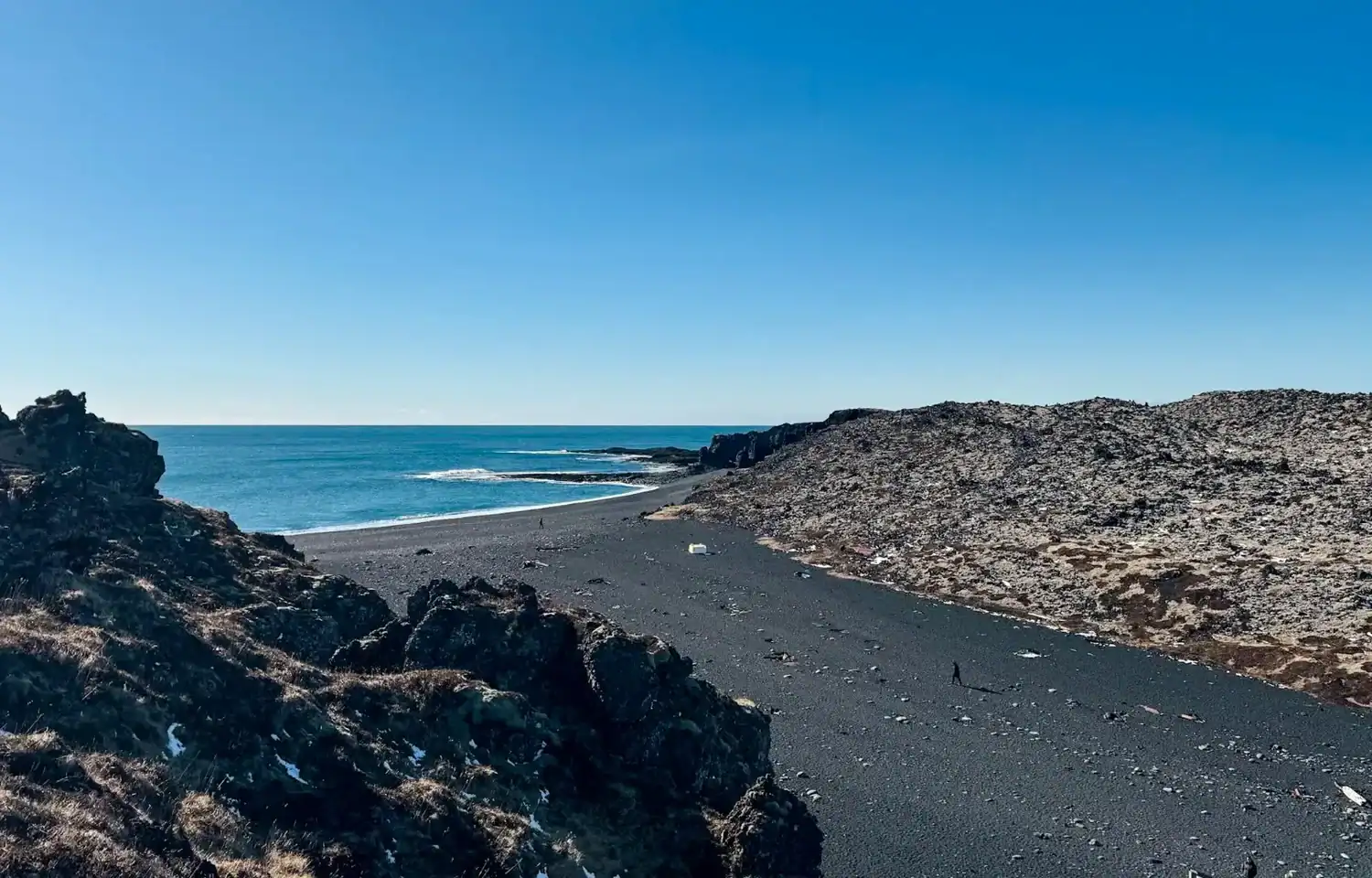
It is known for its stunning waterfalls and black sand beaches. Check out our guide to South Iceland.
What To Expect in Iceland
Transport
Car Rental
In our opinion, driving yourself is the best way to explore Iceland. You can easily access remote areas and scenic routes off the Ring Road, plus you can visit many of the spots that tour guides miss.
Public Transport
This is limited outside of Reykjavik, but buses operate between major towns and attractions. Taxis usually have to be booked in advance.
Guided Tours
These are Ideal for those who prefer not to drive. You can book day trips or multi-day tours covering major sights. A few of the most popular tours include the South Coast tour and the Golden Circle tour.
Cost
Accommodation
This ranges from budget to mid-range hotels (£50-£150 per night) and luxury accommodation (£150+ per night). You’ll find cheaper accommodation in Reykjavik than more remote locations. Check out our favourite places to stay in Iceland.
Food
Eating out can cost £15-£30 for a basic meal, Self-catering can save money. Alcohol is really expensive and a pint of beer can easily cost £10.
Transportation
Car rentals average £50-£150 per day, with fuel at £2 per litre. Public buses are cheaper but less convenient and you won’t usually see buses outside of Reykjavik unless they’re tour buses.
Activities
Most natural attractions are free, but parking is often chargeable, especially in popular areas like the south coast. Tours & activities like whale watching or glacier hiking can cost £60-£300+.
Weather
Spring (Mar-May)
Spring can bring chilly temperatures, 1°C to 9°C (33°F to 48°F), but wind chill can make it worse. There are fewer tourists in spring, making it one of the best times for exploring.
Summer (Jun-Aug)
Summer is the warmest time in Iceland, but you still won’t get temperatures exceeding 10°C to 15°C (50°F to 55°F). The Midnight Sun occurs between May and July bringing nearly 24 hours of daylight. Summer is also the most expensive time to travel.
Autumn (Sep-Nov)
Autumn brings mild temperatures between 5°C to 10°C (41°F to 50°F). You’ll also be able to see autumn scenery and the nights start getting darker again, ideal for viewing the northern lights.
Winter (Dec-Feb)
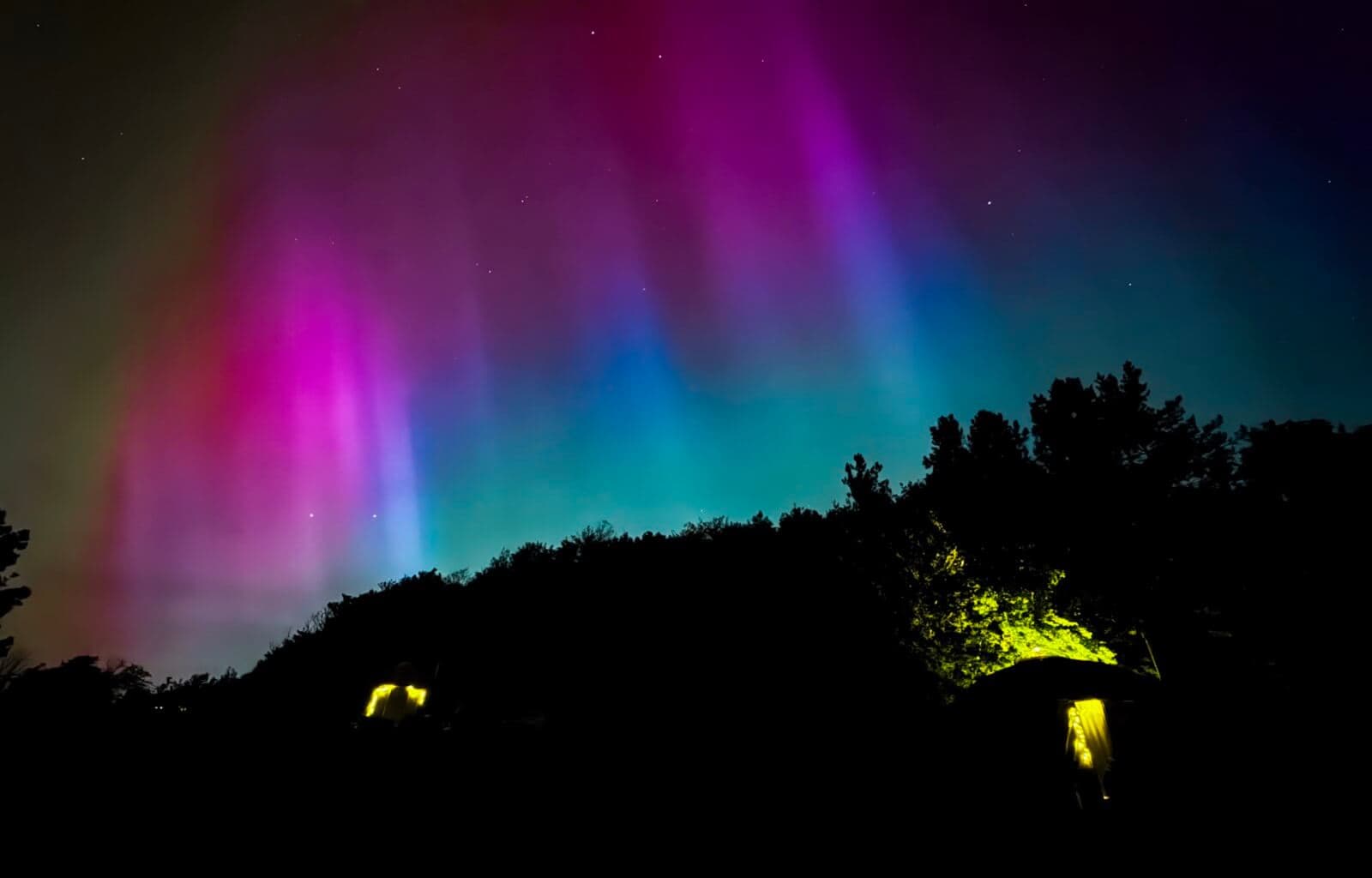
Winters are cold and dark. Expect temperatures between -1°C to 2°C (30°F to 35°F) and limited daylight hours (4-6 hours). However, it is the best time to see the Northern Lights in Iceland.
Money
Payment Cards
Credit and debit cards are widely accepted throughout Iceland, even in remote areas. Visa and MasterCard are the most common. We haven’t had to use cash once and rarely withdraw from ATMs. However, we also recommend checking with your bank regarding any foreign transaction fees.
Tipping
Tipping is not necessary in Iceland, as service charges are included in most services. However, small tips are always appreciated by the locals.
Currency
The official currency of Iceland is the Icelandic Króna.
Alcohol
Whenever we travel there, we always pick up a few bottles of wine at duty-free at the airport as it’s much cheaper. Supermarkets don’t stock alcohol except very low percentage beers and ciders. You’ll need to find a special liquor store to buy alcohol like a Vínbúðin which you can find in most cities/towns.
Water
Don’t buy bottled water in Iceland. You can refill your water bottle from any stream or waterfall in the country. You can also drink tap water at your hotel, however, make sure you run the cold tap for a few minutes before you fill up your bottle. Hot springs are often used to heat for hot water, and you don’t want to be drinking sulfur!
Book in advance
Hotels in Iceland can sell out quickly, especially in the summer months. We recommend booking at least 6 month in advance, but even earlier than this the better.
Food in Iceland
Some of the best ways to save money on food is to eat at food courts instead or stay self-catering and cook for yourself. The cheapest supermarkets are either Krónan or Bónus and avoid 10/11 as it’s super pricey.
Pack for everything!
The weather is Iceland is pretty bonkers. We’ve had sun one minute and then stormy skies and rain the next! Even if you’re visiting in the spring or summer, prepare for all kinds of weather and bring waterproof shoes and a waterproof jacket.
Download these apps
You don’t need cash in Iceland, but having these apps will certainly help you on your trip. Parka.is is the easiest way to pay for parking and safe.is and road.is are great for checking road conditions and closures.
Go off the beaten track
Some of our favourite places in Iceland are the hidden gems. Places like Kvernufoss, the Snaefellsness Peninsula, and the eastern region of Iceland are super beautiful and much less crowded.