Ultimate Norway
Travel Guide
Welcome to our Ultimate Norway Travel Guide! Whether you’re dreaming of fjords, northern lights, or scenic road trips, this guide brings together everything you need to plan your journey.


Facts About Norway
Capital: Oslo
Language: Norwegian and Sámi (English widely spoken)
Population: 5.6 Million
Currency: Norwegian Krone (NOK)
National Dish: Fårikål (hearty lamb stew with cabbage and whole black peppercorns)
48 National Parks: and more than 3,000 protected areas

Fjords
Mountains over
2000m
Official National
Tourist Routes
(24.5 km) Longest road tunnel in the world

Norway Regions
Oslo Region (Capital City): 454 square kilometres
The capital city and the most populated place in Norway.
Viken: 24,600 square kilometres
Surrounds Oslo and stretches from the Oslofjord to the Swedish border. Offers forests, lakes, and historic towns like Fredrikstad.
Innlandet: 52,100 square kilometres
A vast inland area famous for hiking, skiing, and the stunning Jotunheimen mountains.
Vestfold og Telemark: 17,800 square kilometres
Combines beautiful coastal landscapes with mountain plateaus and is known for Viking history.
Agder: 16,400 square kilometres
Located in Southern Norway, this region is known for its charming coastal towns, skerries, and summer holiday vibe.
Rogaland: 9,400 square kilometres
Home to Preikestolen (Pulpit Rock), Stavanger, and long sandy beaches along the Jæren coastline.
Vestland: 34,100 square kilometres
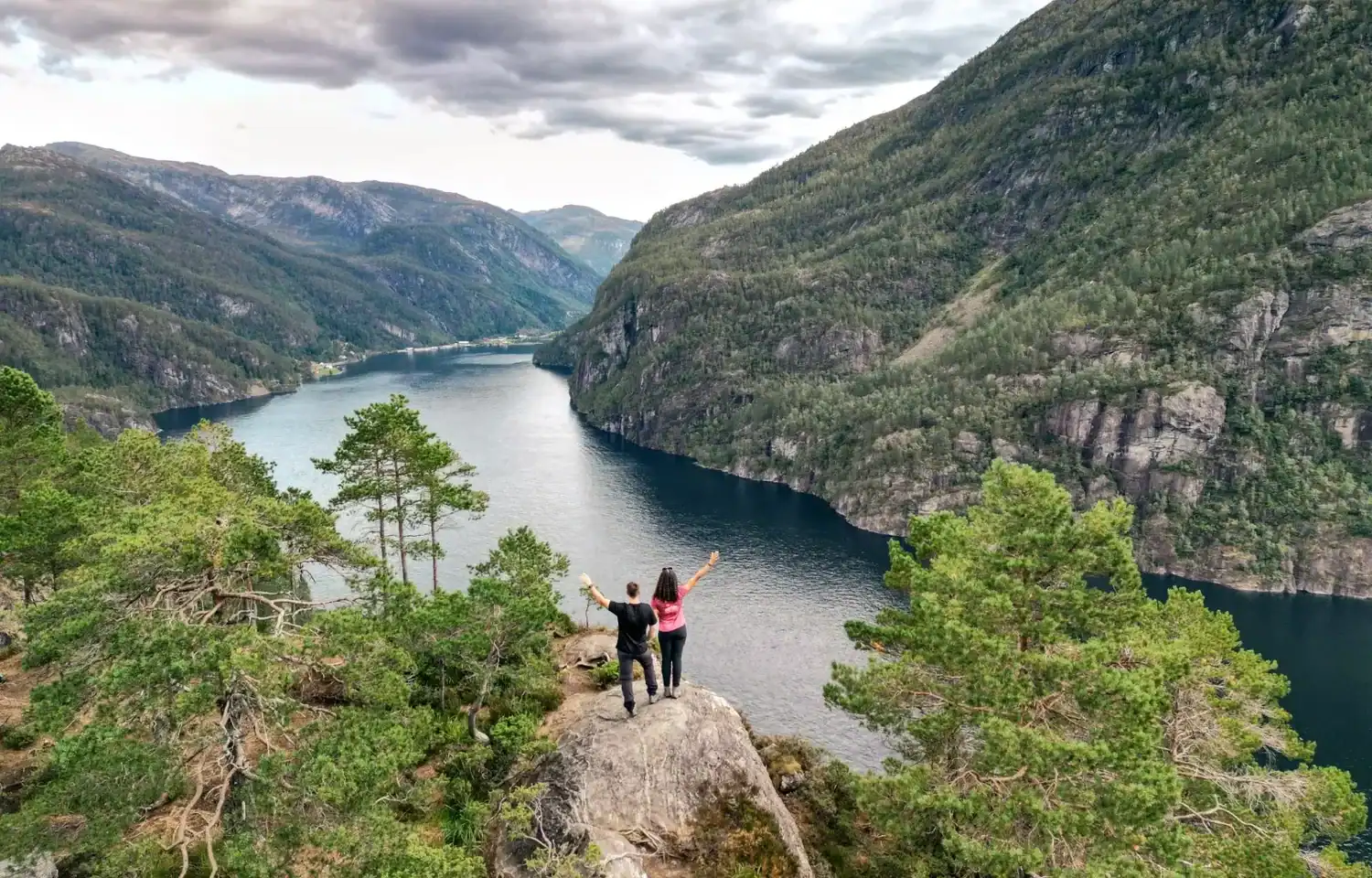
Dramatic fjords, glaciers, and iconic spots like Bergen, the Sognefjord, and Hardangerfjord.
Møre og Romsdal: 15,100 square kilometres
Famous for the Geirangerfjord, Trollstigen road, and rugged coastal beauty.
Trøndelag: 42,200 square kilometres
Centred around Trondheim, it blends history, fjords, mountains, and rich agricultural landscapes.
Nordland: 38,500 square kilometres
Covers the Arctic Circle and Lofoten Islands, known for fishing villages, dramatic peaks, and midnight sun views.
Troms og Finnmark: 74,800 square kilometres
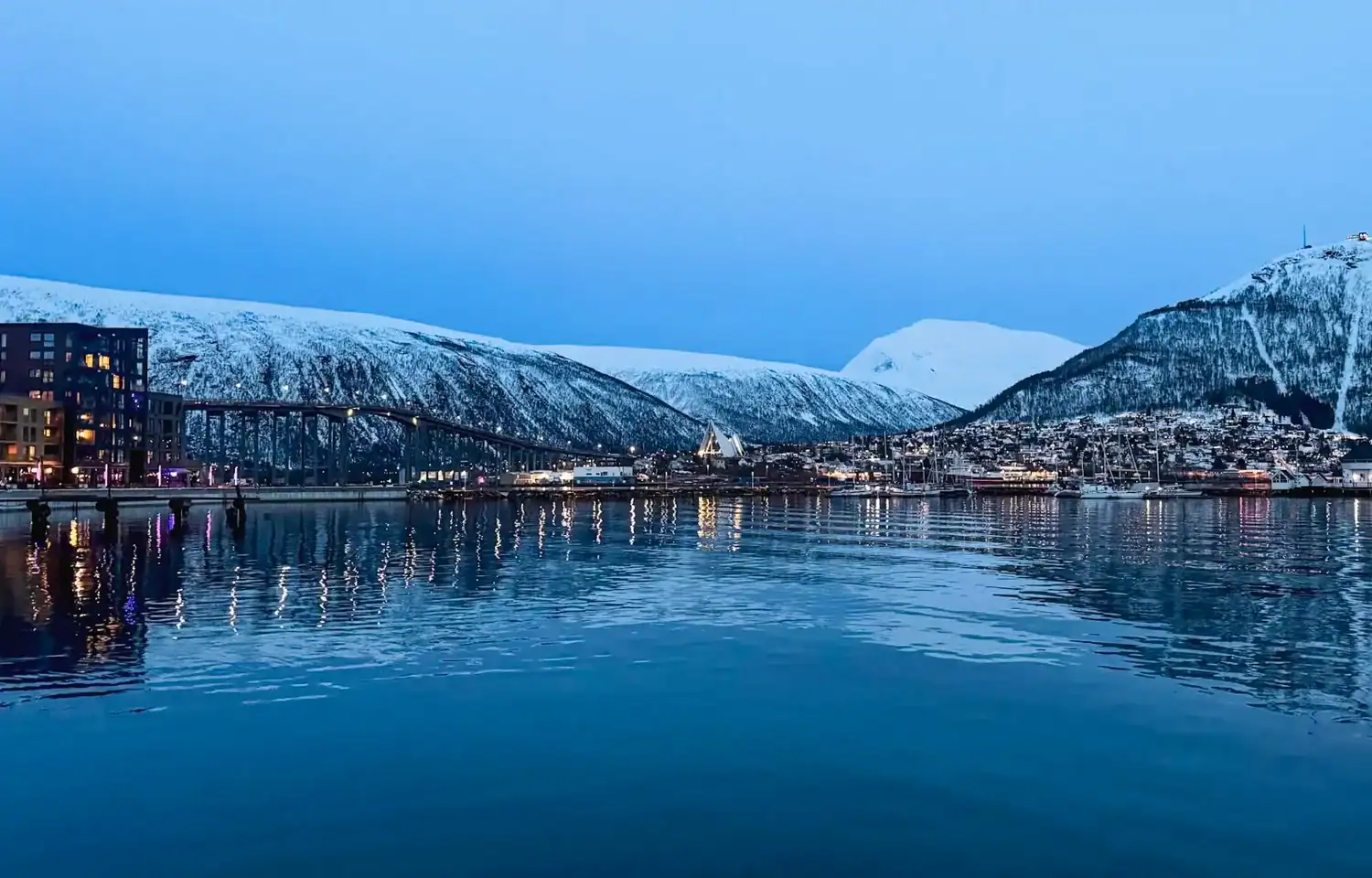
Norway’s largest region, stretching into the Arctic. Famous for northern lights, Sami culture, and North Cape.
Svalbard: 61,022 square kilometres
A remote Arctic archipelago, halfway to the North Pole. While not an official Norwegian region, it is a special territory administered by Norway. Famous for polar bears, glaciers, the polar night, and the midnight sun.
What To Expect in Norway
Transport
Car Rental
In our opinion, driving is the best way to see Norway. You can get around on public transport between the main towns and cities, but it’s a country made for a road trip. Many of the stops are spread out, and having a car gives you a lot more freedom to explore.
Public Transport
Public transport in Norway is well-connected in the cities and between major towns, but services are infrequent in rural or fjord regions. Long-distance buses and coaches do run, though not always daily. Taxis in Norway are easy to book on demand in the larger cities, but in smaller towns, they need to be booked in advance. In the winter months, you can also take the Arctic route bus, which connects Tromsø in Norway with Rovaniemi in Finland.
Guided Tours
Guided tours are perfect if you’d rather not drive. You’ll find plenty of day trips in Norway as well as multi-day tours that cover the country’s biggest highlights. Popular choices include fjord tours from Bergen and the Norway in a Nutshell route.
Cost
Accommodation
This ranges from budget and mid-range hotels (around £70–£160 per night) to luxury stays (£160+ per night). Take a look at some of our recommended places to stay in Norway for ideas.
Food
Eating out in Norway tends to be pricey; even a basic meal can cost £15-£30+. Self-catering helps save. Alcohol is heavily taxed, so beers in bars often cost around £8-£10.
Transportation
Car rentals in Norway typically cost £50–£150 per day. Buses in Norway are cheaper, but services in rural or fjord regions can be infrequent.
Activities
Most natural attractions in Norway are free to visit, but you’ll often need to pay for parking, especially in popular areas. Guided activities such as whale watching in Tromsø, fjord tours, or glacier excursions usually range from £60 to £300+.
Weather
Spring (Mar-May)
Spring starts chilly, with snow lingering in the mountains and northern regions. By May, southern cities like Oslo and Bergen warm to 5–12°C, blossoms appear, and waterfalls surge with snowmelt. It’s quieter than summer, making it a great shoulder season for travel.
Summer (Jun-Aug)
Summer is the most popular time to visit, with long days, mild temperatures (15–25°C in the south). This is the best season for hiking, fjord cruises, and scenic road trips, though it’s also the busiest and most expensive.
Autumn (Sep-Nov)
Autumn brings colourful forests and fewer tourists. Temperatures drop from around 10–15°C in September to near freezing by November. It’s one of the best times to see the northern lights in northern Norway, while the fjords are quieter after summer.
Winter (Dec-Feb)
Norwegian winters are cold and snowy. Expect sub-zero temperatures, especially inland and in the north. It’s the season for skiing, dog sledging, and northern lights tours. Coastal cities like Bergen stay milder but wetter, while the Arctic regions embrace the polar night.
Money
Payment Cards
Credit and debit cards are widely accepted across Norway, including in smaller towns and rural areas. Visa and MasterCard are the most common; we’ve never found ourselves needing to withdraw cash. That said, it’s worth checking with your bank for any foreign transaction fees before you travel.
Tipping
Tipping is not necessary in Norway, as service charges are included in most services. However, small tips are always appreciated by the locals.
Currency
The official currency of Iceland is the Norwegian Krone.
Alcohol
Whenever we travel there, we always pick up a few bottles of wine at the duty-free shop at the airport as it’s much cheaper. Supermarkets only stock alcohol below 4.7% ABV; anything above must be purchased at the state-run alcohol store (Vinmonopolet), which you can find in most cities/towns.
Water
Tap water in Norway is safe to drink everywhere and often tastes as fresh as bottled water. In the mountains and forests, most streams are also clean enough to drink straight from — but avoid water near pastures or glacial run-off, as it may contain microorganisms.
Book in advance
In Norway, booking ahead is essential in summer and in popular spots like the fjords, Lofoten, or Tromsø, where hotels sell out fast.
Cities such as Oslo and Bergen usually have more last-minute availability, though prices may be higher.
Food in Norway
One of the best ways to save on food in Norway is to book self-catering stays and cook for yourself.
Supermarkets like Rema 1000, Kiwi, and Coop Prix are the cheapest, while corner shops and petrol stations cost much more. Food courts and bakeries also offer budget-friendly meals compared to sit-down restaurants.
Toll Roads
Norway has many toll roads, but you don’t need to stop at booths — cameras automatically register your car, and charges are billed to your rental company or online account.
Download these apps
Vy (trains and buses), Entur (journey planner across all public transport), and Ruter (Oslo transport) are all great apps for public transport.
EasyPark makes parking simple, and you can set up auto-billing against your vehicle reg.