Iceland in March: Everything You Need to Know Before You Visit



Are you planning on visiting Iceland in March? This is one of our favourite times to visit the country and here’s everything you need to know.
Our last trip to Iceland was in March and it was fantastic! We went on a road trip around the south coast, Snaefellsnes Peninsula, and Golden Circle and had the best time.
In our opinion, and despite what many people say about bad weather, March is one of the best times to visit Iceland.
You don’t get the mad tourist crowds of the summer, it’s still very much winter in Iceland, so the scenery is snowy and wonderful, and the prices are reasonably affordable.
But, if you’re still not convinced why you should spend March in Iceland, here are our top tips and everything we experienced during our last visit.
*This post may contain affiliate links that earn us a small commission at no extra cost to you. For more information, read our disclaimer.
Iceland March Must-Do’s!
Short on time? These are 5 bucket-list experiences we recommend doing in Iceland in March! ❤️
- Tour the South Coast
- Go on a Glacier Hike
- Soak in the Blue Lagoon
- Chase the Northern Lights
- Explore the Golden Circle
Our fave hotel: Center Hotels Plaza
Weather in March
One of the first things you’re going to want to know about visiting Iceland during March is what to expect from the weather. You can’t really expect anything from Icelandic weather. It’s notorious for being unpredictable and can be sunny one moment and rainy the next.
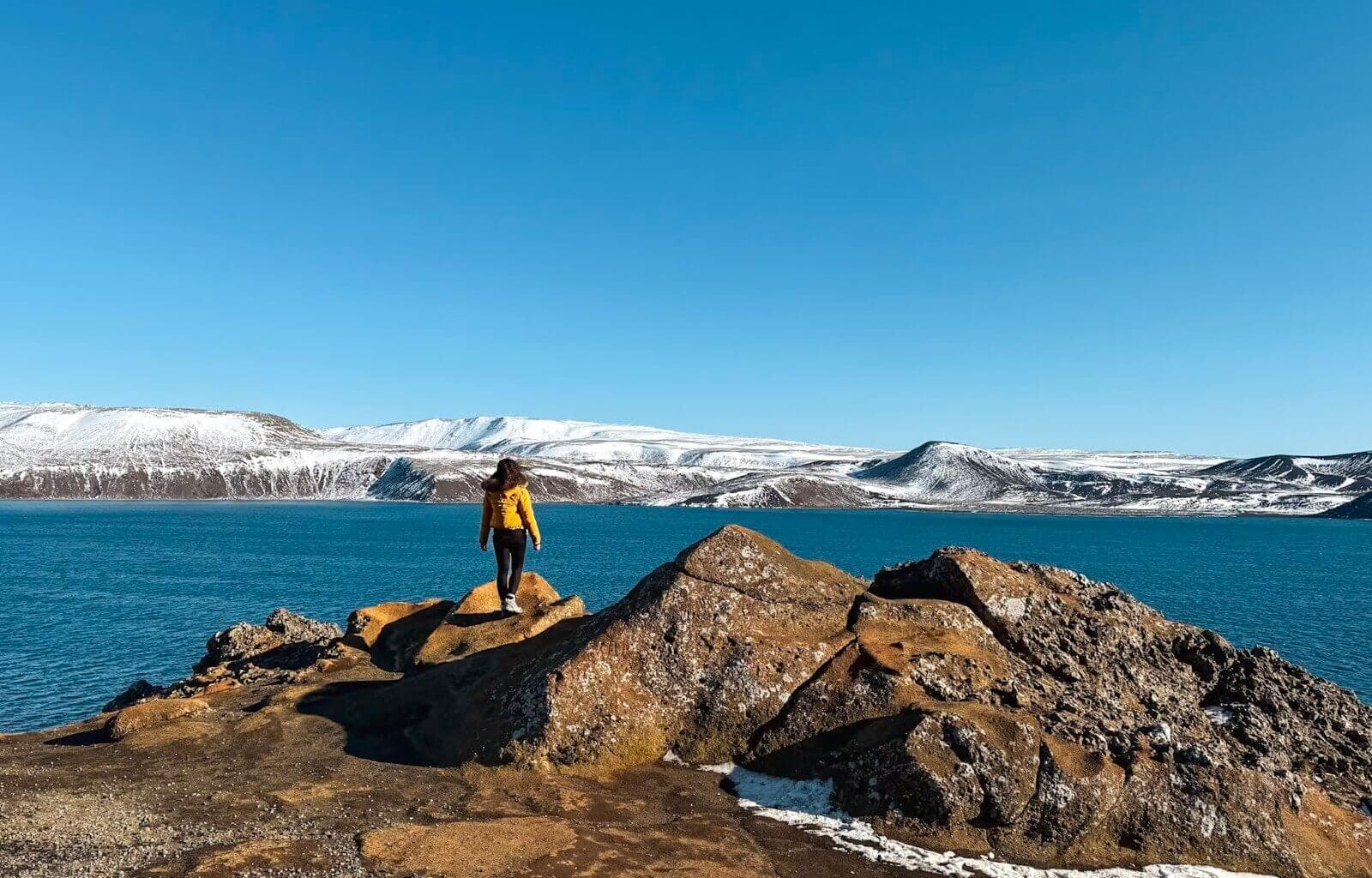
March especially can be a mixed bag. We spent a week in Iceland in March and had blue skies and sunshine all week. But, we were extremely lucky to have the weather we did as my friends visited the week before us and had nothing but rain the whole time.
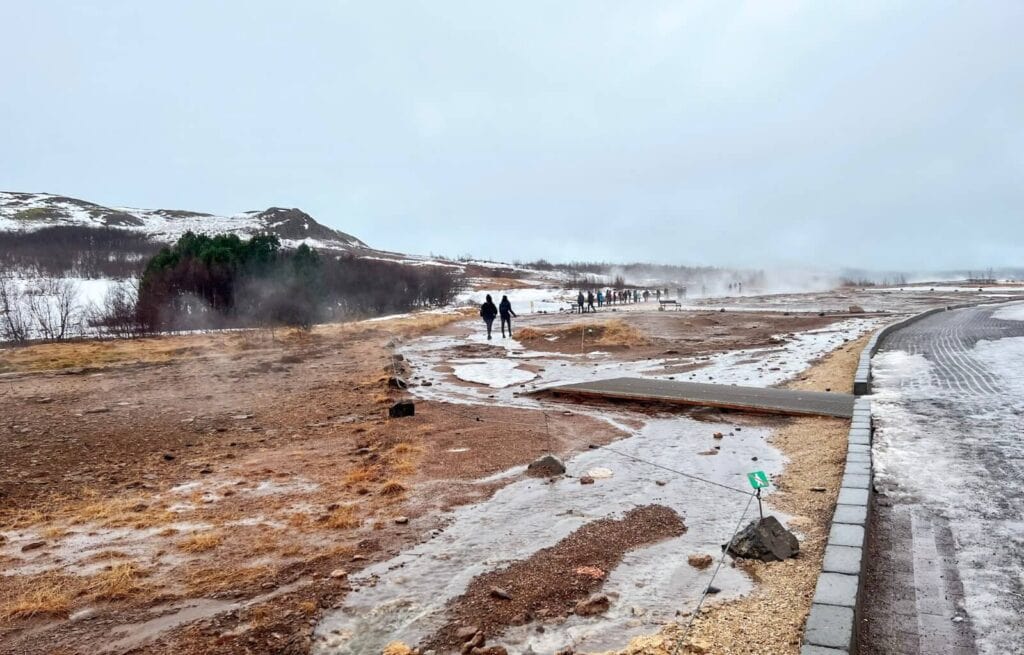
It was very cold and averaged around 2°C (35°F) all week. The wind made it feel even colder.
Do NOT underestimate the wind in Iceland.
It can easily make a temperature feel about 5 degrees colder than it is, so having a reliable windproof winter jacket is essential.
On average, you can expect temperatures of between 4°C and -2°C (39°F and 28°F), probably some rain, some sunshine, and plenty of wind.
👉Check out our full guide to the best time to visit Iceland for all our tips.
Does it snow in Iceland in March?
You definitely can’t rule it out. You’re more likely to experience rain, especially if you’re staying around the south coast of Iceland. If you’re basing yourself in the north, you’re much more likely to experience snowy days.
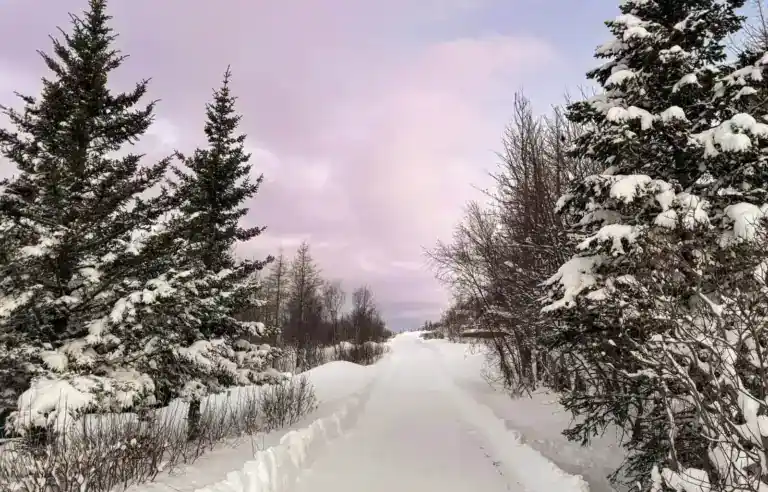
Even though we didn’t experience any snowfall, there was lots of snow already on the ground in March.
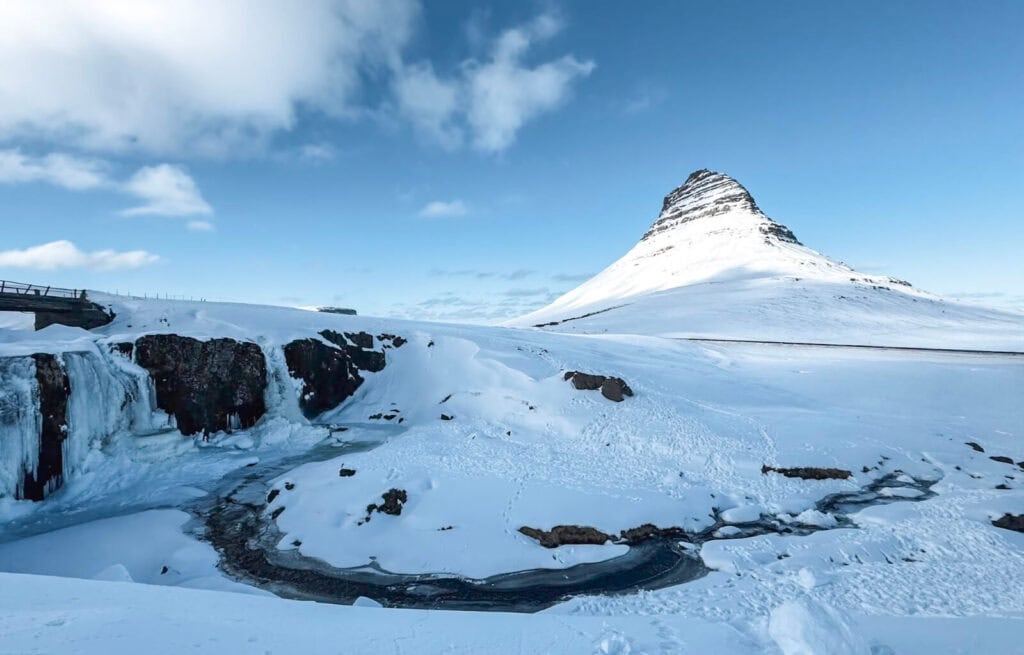
This was especially true around the Snaefellsnes Peninsula which had deep snow and more challenging roads. Reykjavik and the South Coast had a little dusting here and there.
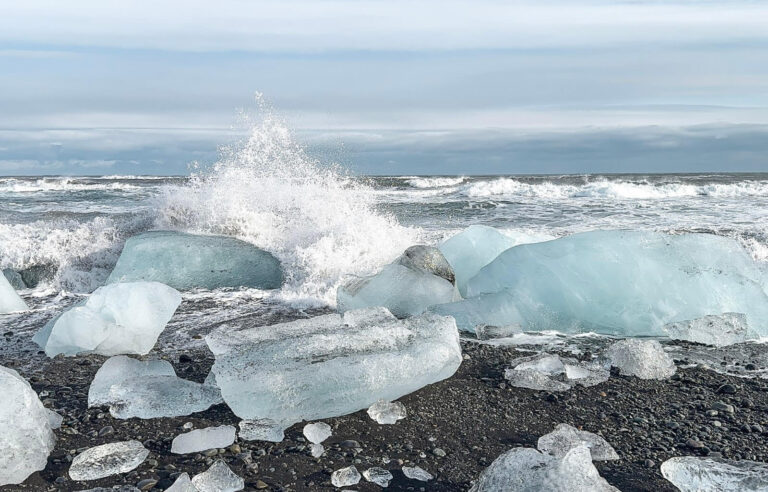
There was a lot of ice around the waterfalls too, particularly Skogafoss and Kvernufoss, which made things slippery to walk on.
So, you may not see any snowfall, but you will probably see snow at some point during your trip.
Daylight Hours in March
Another reason why March is one of our favourite times to visit Iceland is the daylight hours. By the time of year, the hours of daylight are almost back to normal.
You won’t get the midnight sun of the summer months, but nor will you get the insane darkness of travelling in December.
At the start of March, the sun will rise at around 8:30 am and set at around 6:45 pm. This will give you a good 10 hours of daylight for exploring.
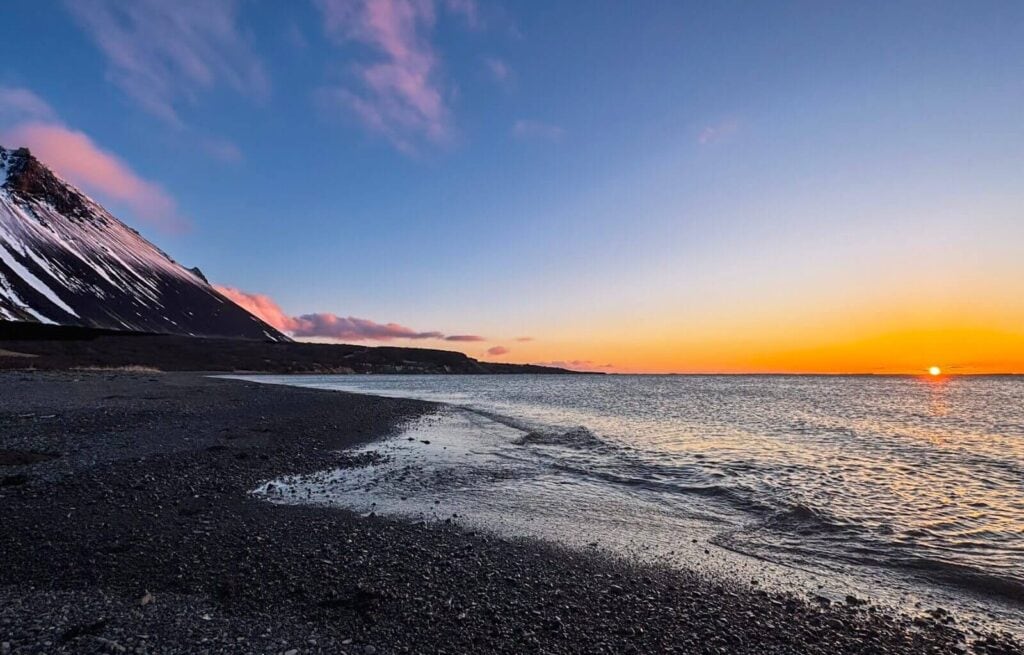
However, by the end of the month, you’ll be getting around 13.5 hours of daylight, with a sunrise time of roughly 6:45 am and a sunset time of about 8:15 pm. So, you’ll have even more time to explore Iceland’s stunning landscapes as the month progresses.
The longer days make it much easier to plan activities. Plus, because there is still plenty of darkness in the evenings, particularly towards the beginning of the month, you’ll still be in with a chance of seeing the Northern Lights.
What to do in Iceland in March
There are so many wonderful things to do in Iceland in March. It’s a season of transition as the snow is starting to melt and spring is pushing its way through. But you can still do many of the winter activities that the country is known for.
March is a great time to explore the Golden Circle and the South Coast.
These are two tours that are well worth doing all year round in Iceland, but March brings plenty of daylight and slightly more stable weather than winter. Plus, these are busy parts of the country (especially the Golden Circle) and you won’t have the crowds of the summer.
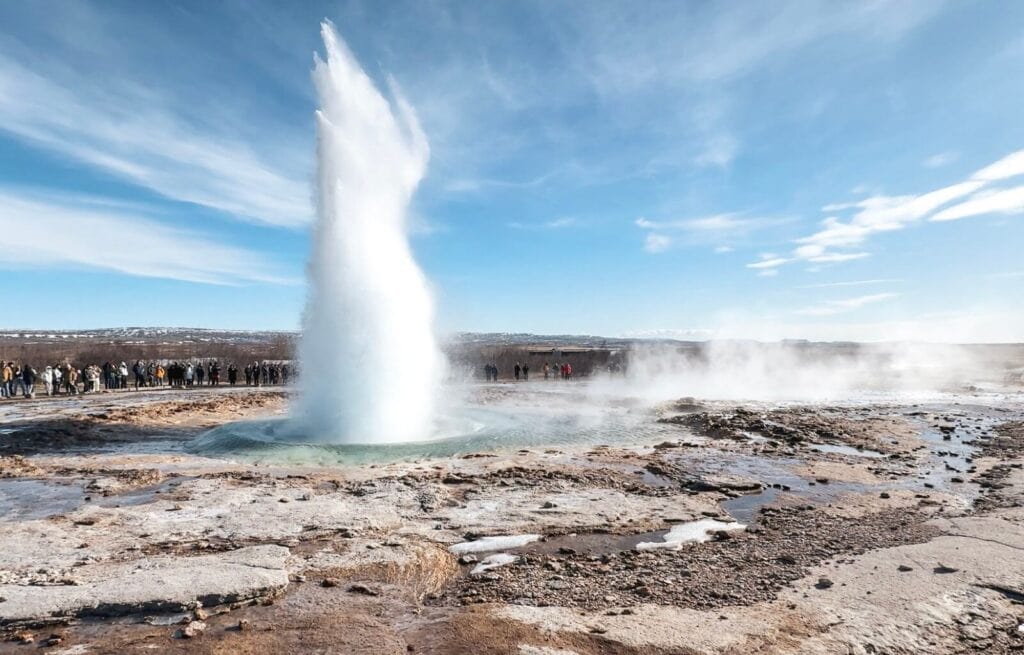
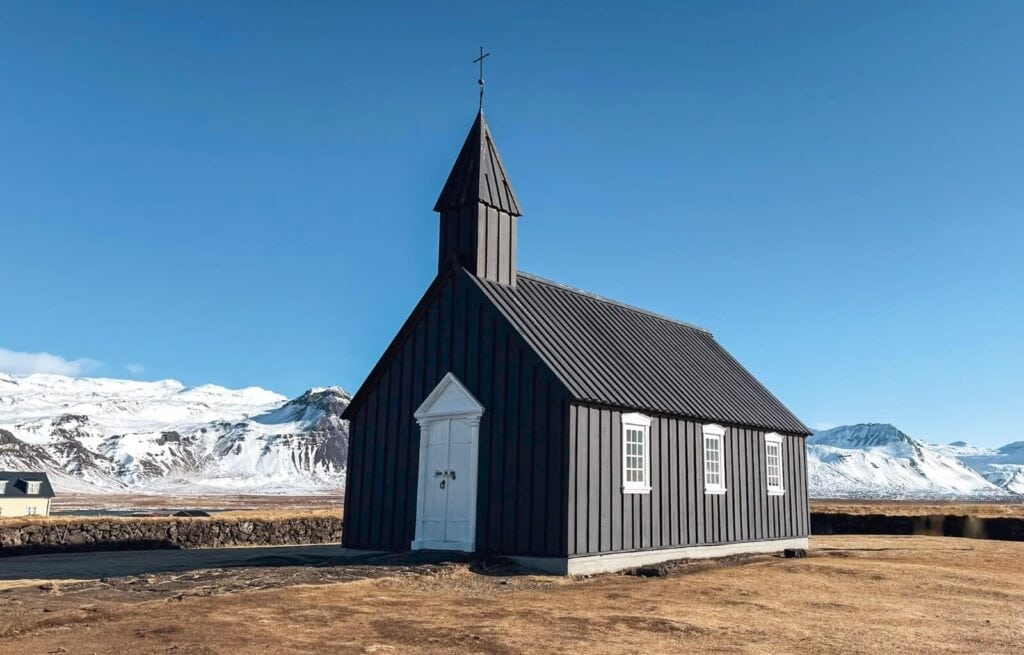
It’s also a great time to start exploring parts of Iceland a little further away from the capital. You can do a road trip around the Snaefellsnes Peninsula or head towards the glacier lagoon to watch the seals.
You can explore an ice cave, go on a glacier hike, or chase the Northern Lights.
However, there are a few things you can’t do. The Icelandic Highlands are inaccessible because of heavy snow in the mountains and many of the island’s hiking trails are still unsafe.
You also won’t be able to see the midnight sun, and it’s too early for puffin watching, which typically starts around mid-May. You can see certain whale species like Humpbacks, but Blue Whales are more commonly seen during the summer months.
Nonetheless, even without these, there are so many wonderful things to do in Iceland during this time of year; it’s such a versatile time to visit.
Driving in Iceland in March
It’s possible to drive in Iceland in March, although it’s a more challenging time of year than summer. Because the weather is so unpredictable, you’re more likely to experience road closures and freak snowstorms, so you need to be careful.
This will also depend on where you’re driving. If you’re just driving around the Golden Circle and along the South Coast, you’ll most likely be fine. These are some of the most popular tourist routes in Iceland and the roads are generally kept in good condition.
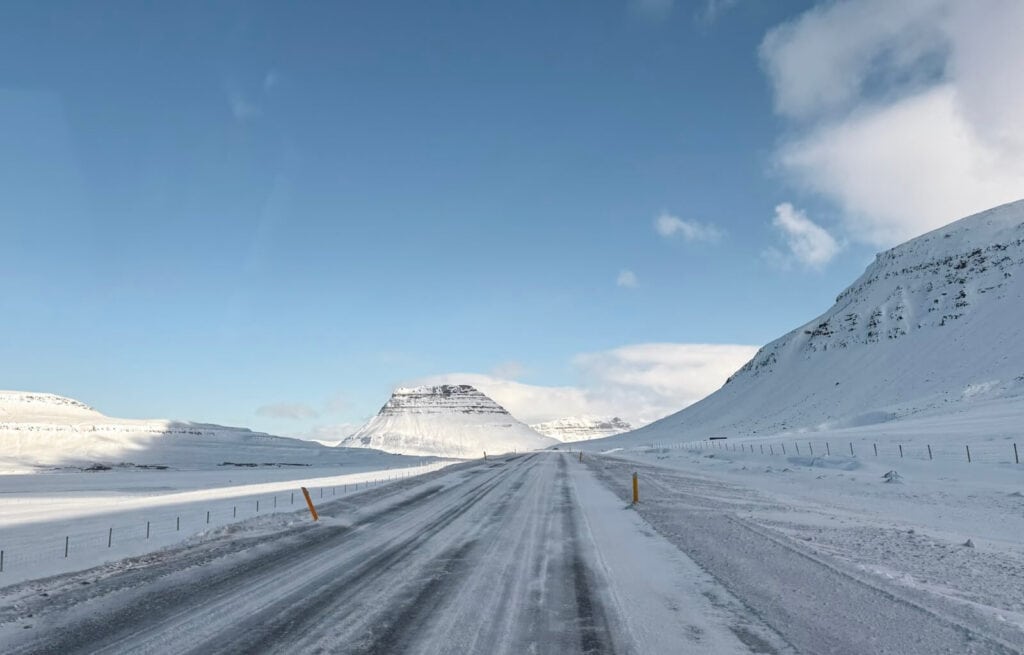
However, if you’re driving a little further from the capital, for instance, the east fjords, the west coast, and the more remote regions, driving can be a lot more challenging due to icy roads, strong winds, and reduced visibility.
Regardless of where you’re heading, we suggest checking the safe.is app before attempting a journey for road closures. Also, use the Vedur app to check the weather forecast.

If you’re confident driving in winter weather, are sensible with the conditions, and use your common sense, then you should be fine.
However, if you aren’t comfortable with the unpredictability of Icelandic weather, there are plenty of guided tours available that will take the stress out of driving.
Best Tours to Take in Iceland in March
There are lots of different tours available in March. As always, tours to the Golden Circle and the South Coast are the most popular, so you’ll need to book these in advance.
You can also book glacier hiking tours, which are fantastic in March. We did our hike on Solheimajokull in December and it remains one of the best things we’ve ever done in Iceland. In March, you’ll have the added benefit of longer daylight hours.
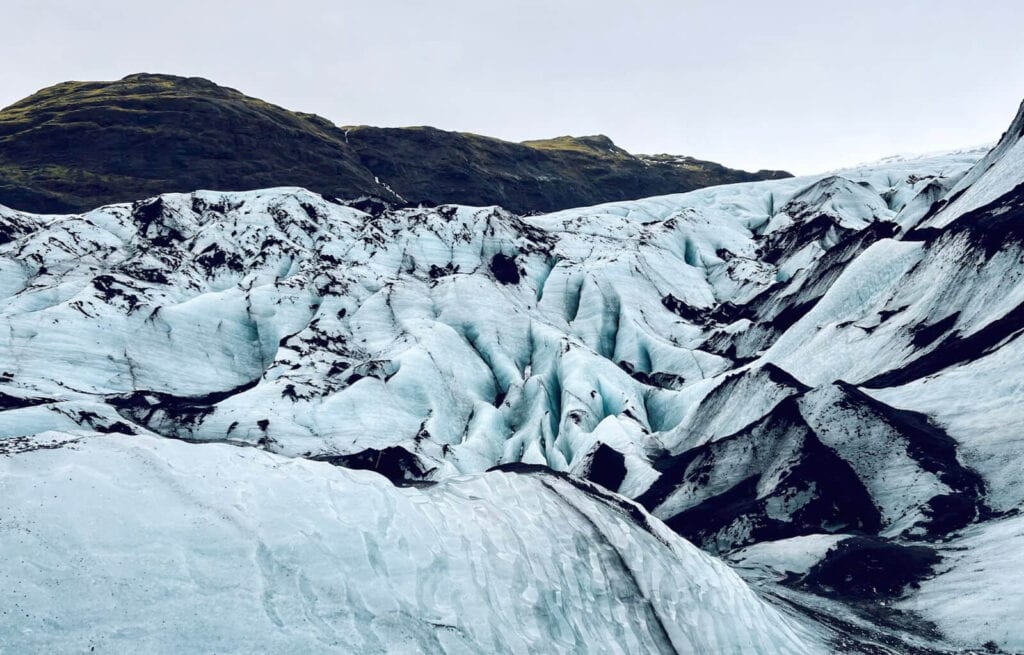
Additionally, March is one of the last months when certain ice caves are accessible before they close for the season, so an ice cave tour is a great idea. For another fantastic glacier activity, you could also consider a snowmobiling tour on Langjökull Glacier.
Whale-watching tours from Reykjavík or Akureyri are also great options, as humpback whales and other marine life are often spotted in spring.
Lastly, we highly recommend going on a guided Northern Lights tour. The guides monitor the solar energy and cloud cover to find the best locations for spotting the lights even if the weather is unpredictable.
Can You See the Northern Lights in March in Iceland?
Yes! Despite what many people think, you can definitely see the Northern Lights in March. It doesn’t have to be the dead of winter or Polar Night so spot them. March is often a better time to spot the lights than December because the weather is more stable.
Cloudy skies can mask the auroras, so even if the lights are technically there in the colder months, you might not be able to see them.

In comparison, March typically has less rain and snow than December through February, leading to clearer skies and higher chances of a strong aurora sighting.
There are plenty of hotels all around Iceland where you can see the lights. Many, like the Hotel we stayed at in Selfoss, actually offer a Northern Lights wake-up call. Or, you can go hunting for the lights yourself by travelling outside of the cities.
If you’d rather have a little more certainty, we recommend booking a guided tour and the experts will be able to help you find the perfect spot.
❤️ If you want to spot the aurora, this is the tour we’d recommend.
👉 Check out our guide to photographing the Northern Lights with an iPhone.
What to Pack for Iceland in March
One of the most important things to remember about this time of year is that you need to prepare for the unexpected in terms of weather.
Random rain and snow are common as are strong winds, and if you don’t dress appropriately, it can make your trip quite unpleasant.
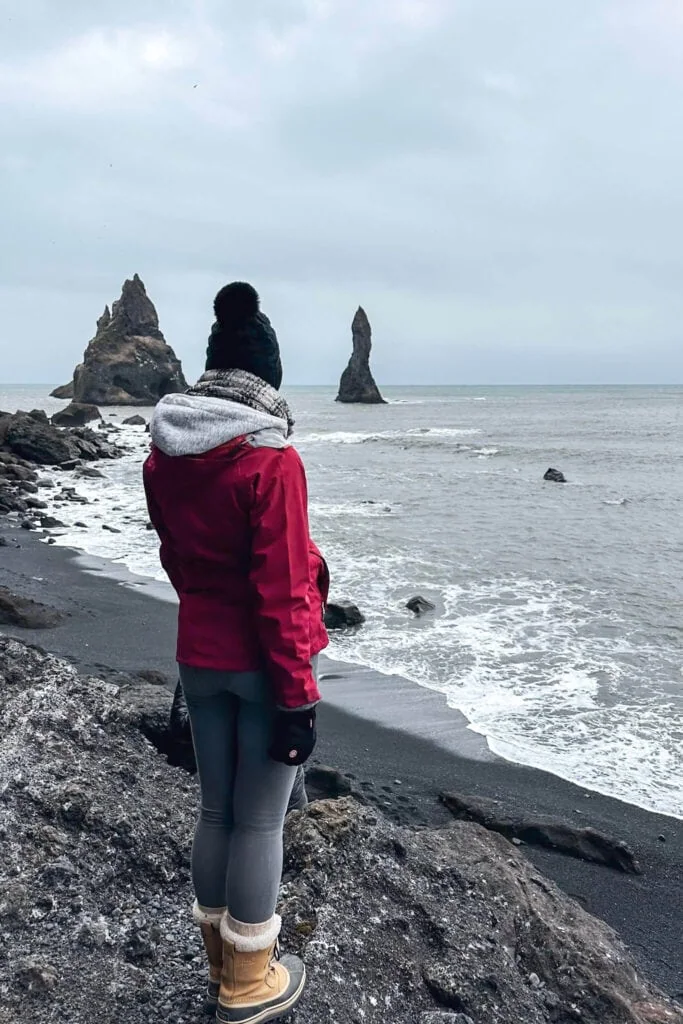
You’ll need to pack layers. A good quality thermal base layer is essential, along with an insulating mid-layer like fleece. Then, you’ll need good quality waterproof boots with good grip, and a thick, waterproof and windproof outer layer.
We would also advise bringing thick gloves and crampons, especially if you’re heading to more remote regions.
👉 You can check out our full Icelandic winter packing list here.
Pros and Cons of Visiting Iceland in March
As you may have gathered, we loved our trip to Iceland in March and it is one of our favourite times to visit the country. However, there are a few pros and cons of visiting during this time. Let’s start with the pros.
March is still considered the off-season in Iceland, so you’ll have much fewer crowds compared to the summer. The prices for flights, accommodation, and car rental are generally cheaper too, which is always a bonus for Iceland.
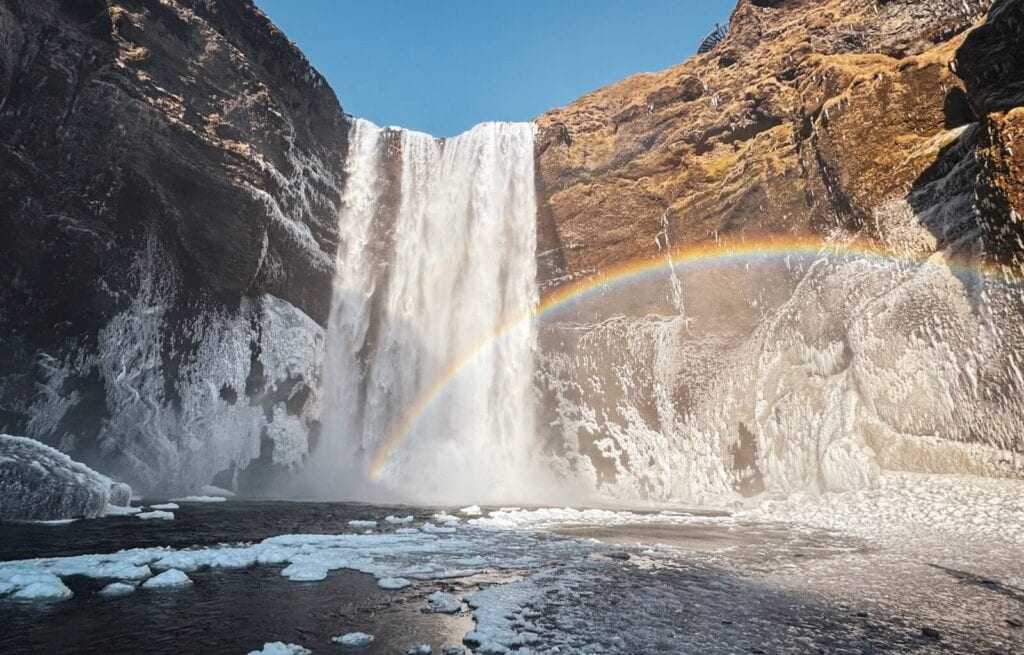
You can still enjoy winter activities like ice cave tours, snowmobiling, and glacier hikes, and you’ll have longer daylight hours with 10-13.5 hours of daylight to explore.
As for the cons, the unpredictable weather is definitely one of them. Snowstorms, rain, and strong winds can occur at any time potentially impacting your plans.
All of the F-roads, the Highlands, and certain areas are closed due to snow and ice, and the standard roads, especially in rural or remote areas can be challenging to drive on.
However, we think March is a wonderful time to travel to Iceland. In our opinion, the pros outweigh the cons!
Final Thoughts on Visiting Iceland in March
All in all, we had the best time in Iceland in March. If we were to visit again during the start of the year, we’d visit at a similar time. We managed to see some truly beautiful places, we drove around most of the country without issues, and the weather was actually pretty good!
Of course, if we were to return we might not be so lucky with the weather, but that’s the beauty of travelling around Iceland. You never really know what you’re going to get!
If you’re planning a trip to Iceland in March, I hope this article has helped you know what to expect. We love this time of year and think it’s perfect for an Icelandic adventure.
If you have any other questions about your trip to Iceland, join our Free Facebook Group and ask us anything!
👉 Still planning your trip to Iceland? Check out our favourite 5-day itinerary!
Pin for Later!