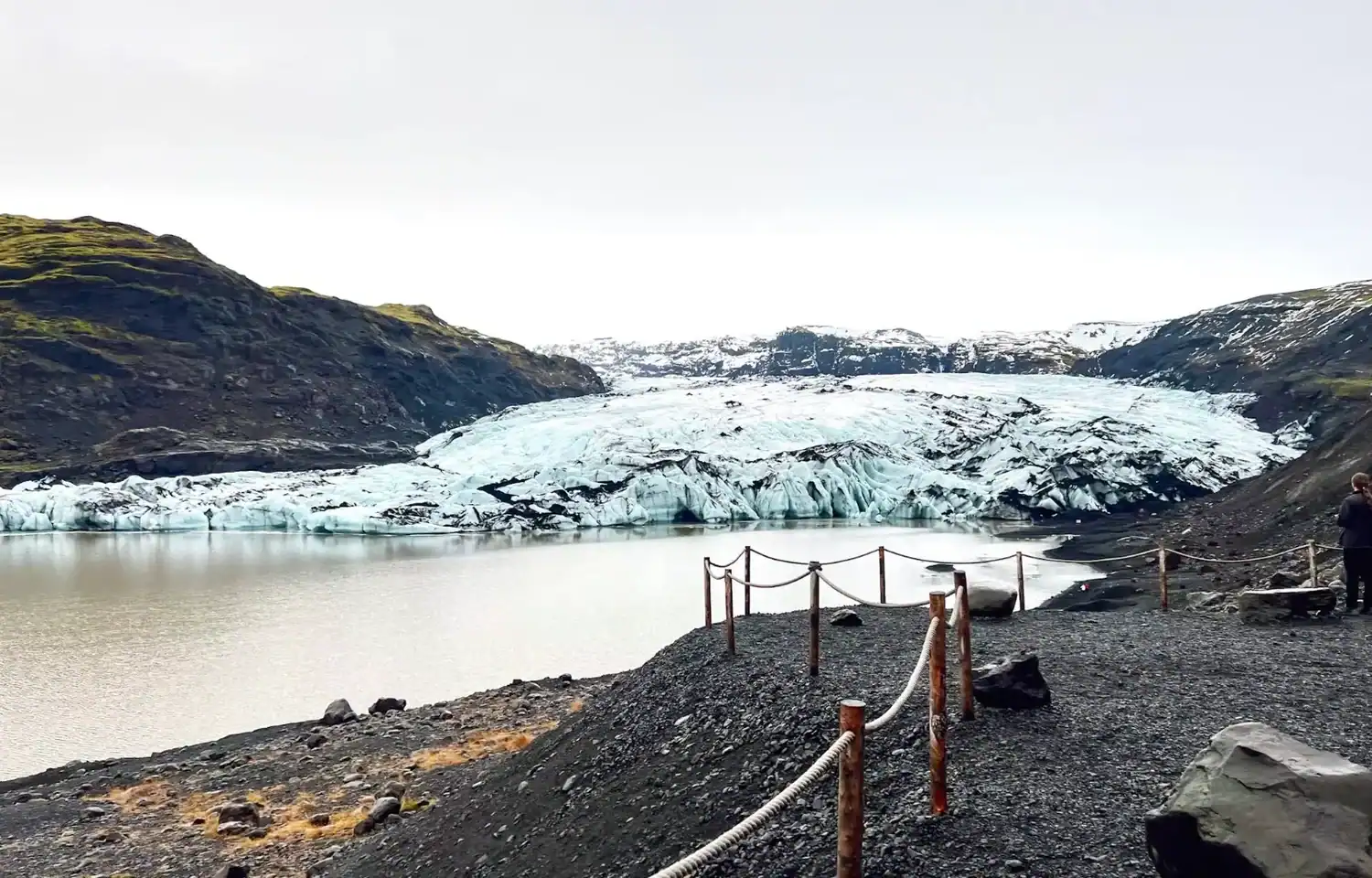
The Best Time to Visit Iceland: What to Expect Each Month (+ Tips!)


Want to know the best time to visit Iceland? Having visited Iceland in (almost) every season, here are all of our top tips and recommendations!
Iceland is one of those destinations where you don’t really have a ‘best time to visit’. And we know that might sound completely contradictory to this article, but you can visit Iceland at many different times throughout the year and have an amazing time.
There are definitely peak seasons, and there are busy seasons, and also certain seasons where you can only see certain attractions (like the Northern Lights).
But, take it from two people who have visited Iceland in both summer and winter, we can successfully say that it’s a year-round destination. It just purely depends on what you’re looking for.
So, if you’re planning a trip to Iceland, here’s a breakdown of what to expect each season, and each month, so you can decide exactly when to visit.
*This post may contain affiliate links that earn us a small commission at no extra cost to you. For more information, read our disclaimer.
Iceland Must-Do’s!
These are 5 bucket-list experiences we recommend to everyone who visits Iceland! ❤️
Quick Snapshot
We created this quick snapshot graph of all of the months in Iceland, showing exactly what to expect from each one.
If you’re purely after an at-a-glance overview, check it out below.


By Seasons
Now, let’s get into a bit more detail with what you can expect during each season. However, we’re going to be fully transparent with you – seasons in Iceland are ever-changing.
You can end up with a very early summer, where the snow melts in March, or a really early winter, where snow arrives as early as September, so this is all a bit subjective.
However, these are some averages that you can likely expect during the seasons.
Winter (Nov-March)
Let’s start with winter because this is usually the longest season in Iceland. Usually lasting at least 5 months from November until the end of March, the winter season is typically defined as cold, dark, and unpredictable.
Yet, despite it not sounding particularly appealing, it’s one of the most popular times to visit the country!


Winter in Iceland is a wonderland of snowy landscapes, icy waterfalls, dramatic black sand beaches, cosy hot springs, and, of course, the incredible Northern Lights.
It’s also when you’ll find fewer crowds at some of the most popular attractions, giving you a much more peaceful and authentic experience.
On the flip side, the weather can be harsh, storms can roll in quickly, and driving conditions can be tricky – so it’s definitely not the season for winging it.


If you’re planning a winter trip, pack warm layers, rent a 4×4 if you’re driving, and leave some flexibility in your itinerary for unexpected weather.
Winter is perfect for travellers who want to see the Northern Lights, visit ice caves, go snowmobiling, or just experience Iceland at its most dramatic and moody.
👉 Check out our full guide to Iceland in winter.
Spring (April-May)
Spring in Iceland is one of the most underrated seasons. We absolutely loved our trip to Iceland in spring, and it’s one of our favourite trips to the country to date.
During this time, the days are getting longer, the snow is starting to melt, waterfalls are in full flow, and everything begins to feel a little bit lighter and brighter.


What we love most about spring is that you get a mix of everything – some snowy peaks are still around, but the roads are usually clearer, making it easier to get around without battling winter storms.
Plus, there are far fewer tourists than in summer, so prices are much more reasonable.


It’s also an excellent time for wildlife spotting. May is the month when puffins begin returning to Iceland, and you might even catch glimpses of seals or whales along the coast.
If you’re looking for a quieter and more affordable time to visit, spring is a brilliant sweet spot between winter’s extremes and summer’s busy crowds.
Summer (June – August)
Now, if you’re a fan of the outdoors, hiking, and road trips (like us), you’ll absolutely love Iceland in summer. This is Iceland’s peak tourist season, and honestly, it’s not hard to see why.
The days are long – and when we say long, we mean almost endless! In June and early July, the Midnight Sun means it never really gets dark, which gives you hours and hours to explore.

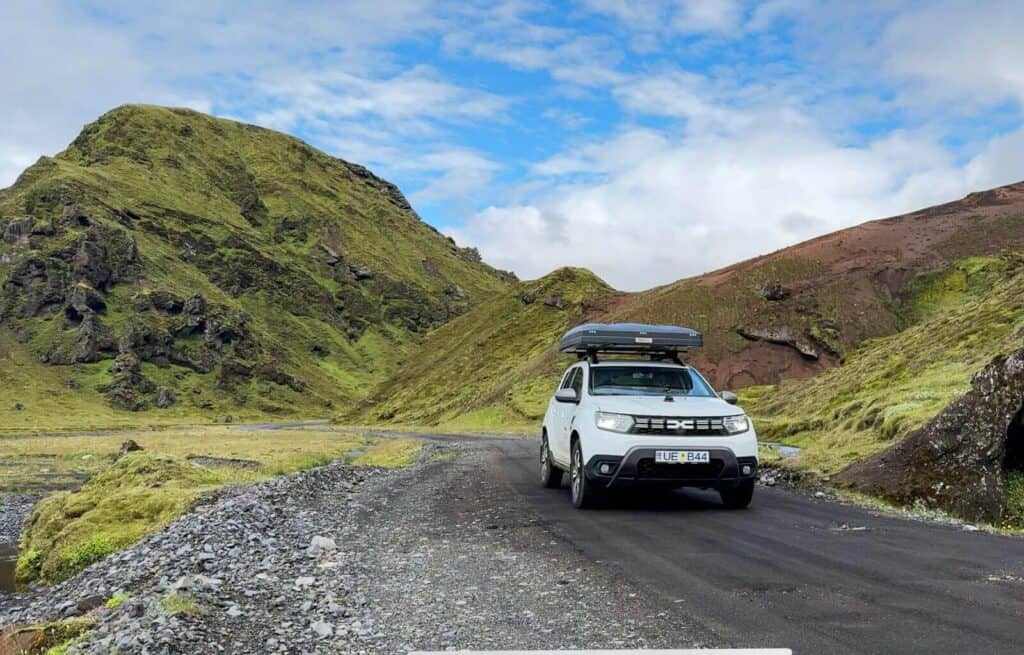
It can actually get quite hard to go to bed, and there have been a couple of occasions where we’ve not realised how late it was because it was still so light!
The weather is at its warmest (though still unpredictable!), all of the roads are open, and every corner of the country is accessible, including the Highlands and the wild Westfjords.
Summer is the season for epic road trips, camping, hiking, whale watching, and exploring Iceland’s incredible natural beauty in full bloom.

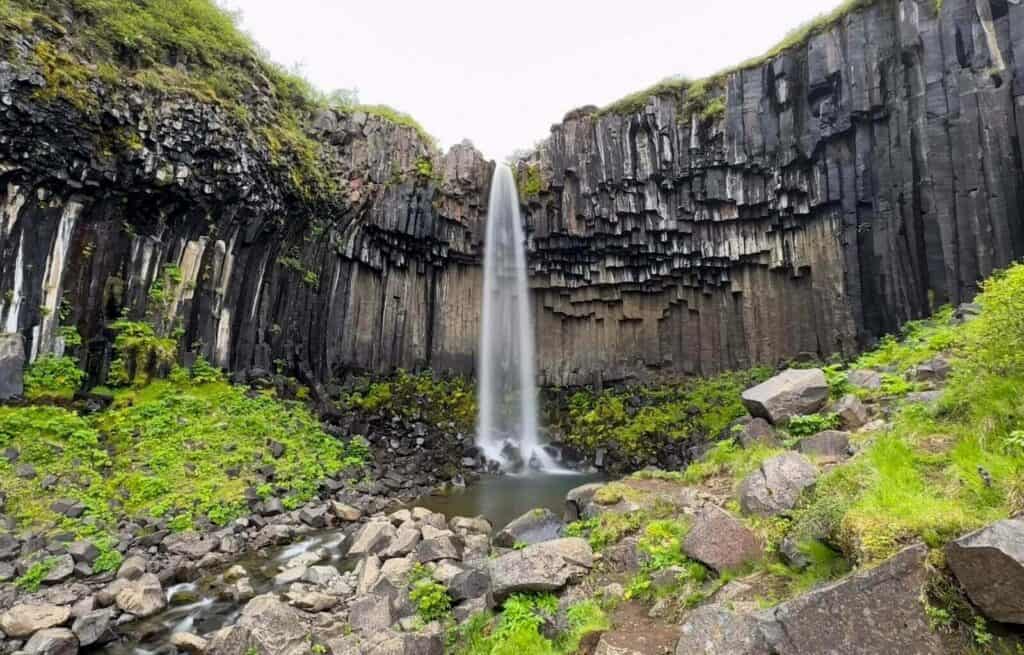
But with all those perks come crowds and higher prices. Popular attractions can get busy, accommodation books up months in advance, and rental cars are more expensive. If you’re visiting in summer, you’ll need to plan ahead.
However, it is one of the best times to visit Iceland to experience *almost* everything the country has to offer.
Autumn (Sept-Oct)
Autumn is another off-season in Iceland. The crowds thin out, the prices begin to drop, and the landscapes take on a gorgeous golden hue.
Temperatures start to cool again, but they’re not as harsh as in winter, and you might even get a mix of sunshine and early snow on the mountaintops.


The Northern Lights season begins again in September, which means you can combine milder weather with the magic of the aurora.
This is also a fantastic season for photographers – the low sun and changing colours make everything look gorgeous.
Nonetheless, Iceland doesn’t have the typical autumn that you get in most of Europe. You don’t get a lot of autumn foliage or red and yellow leaves, and where you do, it doesn’t last long before the snow creeps in.
The weather can also be unpredictable (but then again, this is Iceland we’re talking about), so bring layers and a good waterproof jacket.

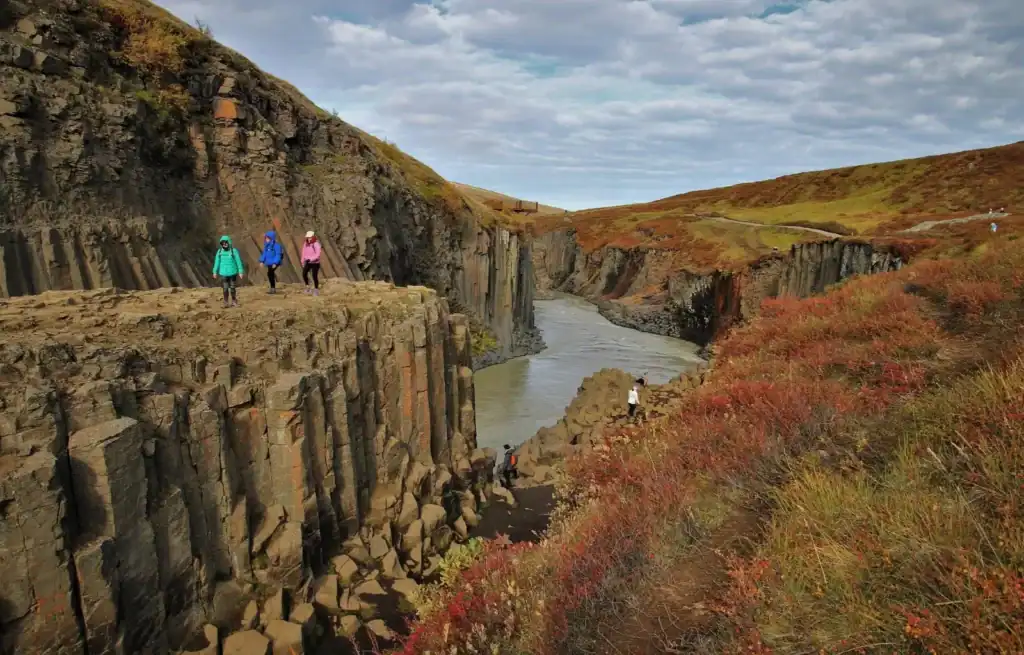
The Highlands also close in September, and you’re more likely to encounter problematic weather in areas like the East and the Westfjords.
But, overall, autumn is a brilliant shoulder season that gives you the best of both worlds: fewer crowds, lower costs, and a high chance of stunning scenery.
Month-by-Month Guide
So, now that we’ve given you a quick guide to the seasons, let’s dive into each month and see what you can expect.
January
- 🌡️ Average temperature: -1°C (30°F)
- ☀️ Daylight: 4–5 hours
January is the heart of Icelandic winter. Expect cold temperatures, short days, plenty of snow, and harsh, unpredictable weather conditions. The weather is even more unpredictable the further north you go.


We visited Akureyri in January and ended up completely snowed in one morning due to a snowstorm. So, you really have to be prepared for anything if you visit during this month.
It’s one of the coldest months of the year, but honestly, it’s also one of the most magical. Since there are only around four to five hours of daylight, you need to plan your activities carefully.

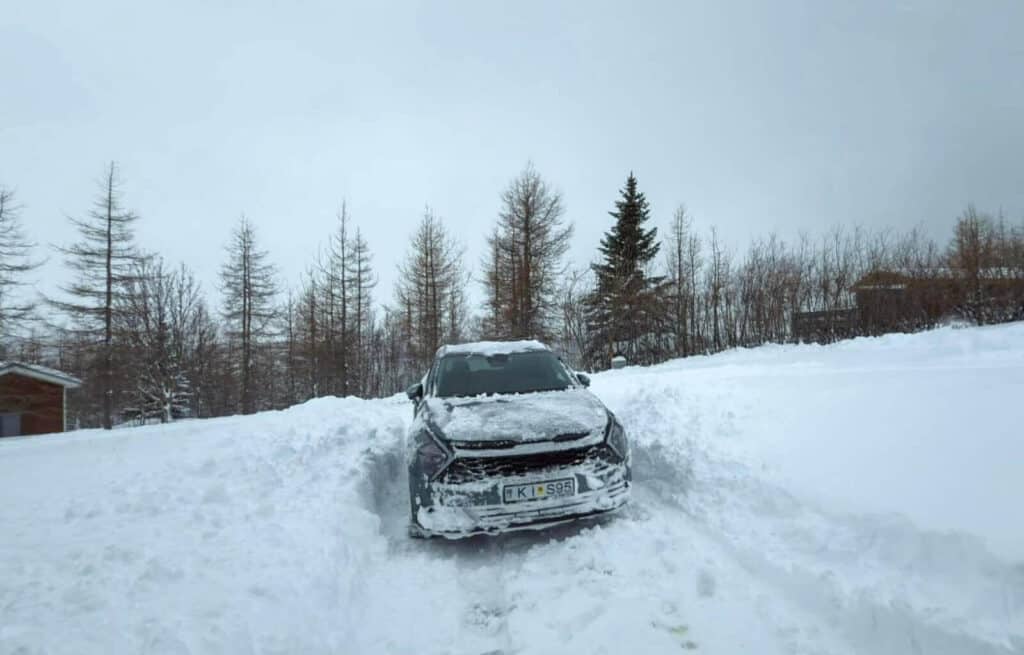
Nonetheless, if you get good weather, it’s prime Northern Lights season, and waterfalls and landscapes are often covered in ice and snow, creating a magical atmosphere.
If you’re prepared, this is a beautiful and peaceful time to visit.
👉 Check out our full guide to Iceland in January.
February
- 🌡️ Average temperature: 0°C (32°F)
- ☀️ Daylight: 7–9 hours
February still feels very much like winter, but with longer daylight hours than January, making it a little easier to explore. It’s also usually one of the snowiest months of the year.
This is a great month for chasing the Northern Lights as the storms are fewer than in January, and the weather begins to ease up a little.


It’s also a great month for visiting ice caves or relaxing in hot springs with a snowy backdrop.
Roads are often icy, so driving can still be challenging, but the extra daylight gives you more flexibility.
We love this month because it has the perfect balance of winter magic without the intense darkness of January. It’s also slightly less expensive than peak summer or peak winter, making it ideal if you’re travelling on a budget.
March
- 🌡️ Average temperature: 1°C (34°F)
- ☀️ Daylight: 10–12 hours
March is a transitional month. Winter activities like Northern Lights and snowmobiling are still on, but the weather starts to ease up significantly.
We did a road trip around the South of Iceland in March, and the roads are much more accessible during this time than in January and February.

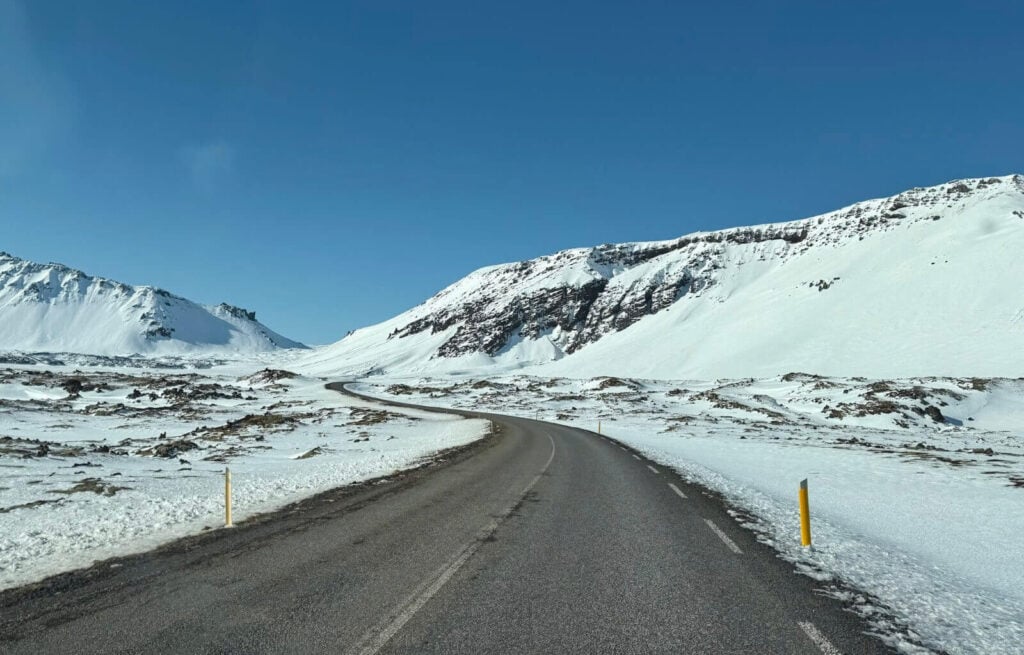
It’s still very cold, the wind can be biting, and you’ll definitely need layers, but you may also get blue skies and sunshine.
It’s a great month for the Northern Lights as the skies are much clearer than mid-winter, plus the prices are so much more reasonable.
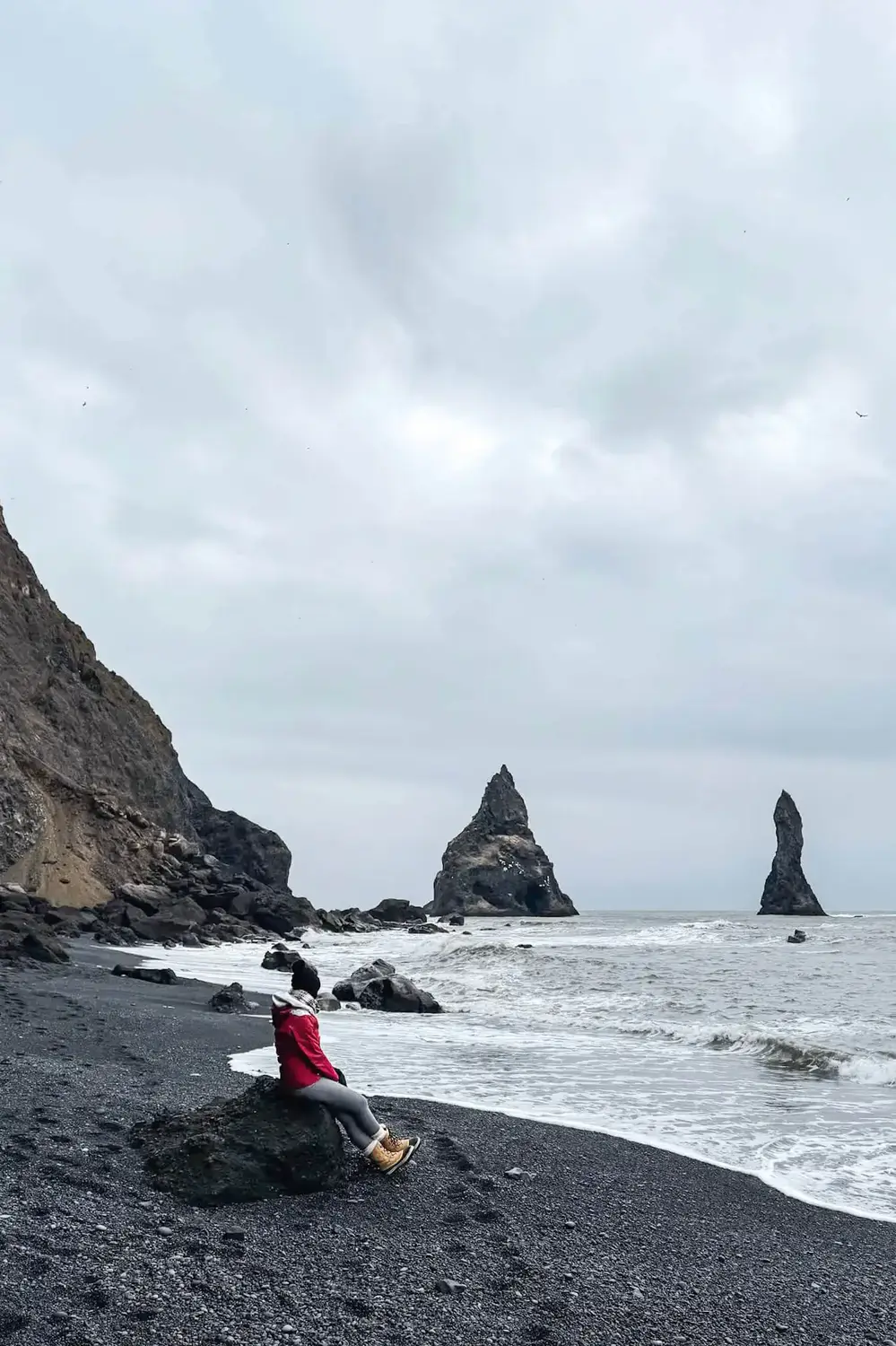
In our opinion, March in Iceland is one of the best months if you want to experience winter scenery with slightly milder conditions.
The waterfalls are still partially frozen, the roads are becoming more accessible, and there’s a lovely, quiet atmosphere before the busier spring season begins.
👉 Check out our full guide to Iceland in March.
April
- 🌡️ Average temperature: 3°C (37°F)
- ☀️ Daylight: 13–16 hours
April is one of Iceland’s most underrated months. It’s also one of our favourites. We loved our trip to Iceland in April. The weather was fantastic, the scenery was beautiful, and the crowds were much smaller than in summer.
The snow starts to melt, waterfalls are at their most powerful from all the meltwater, and the scenery is a mixture of white and green.

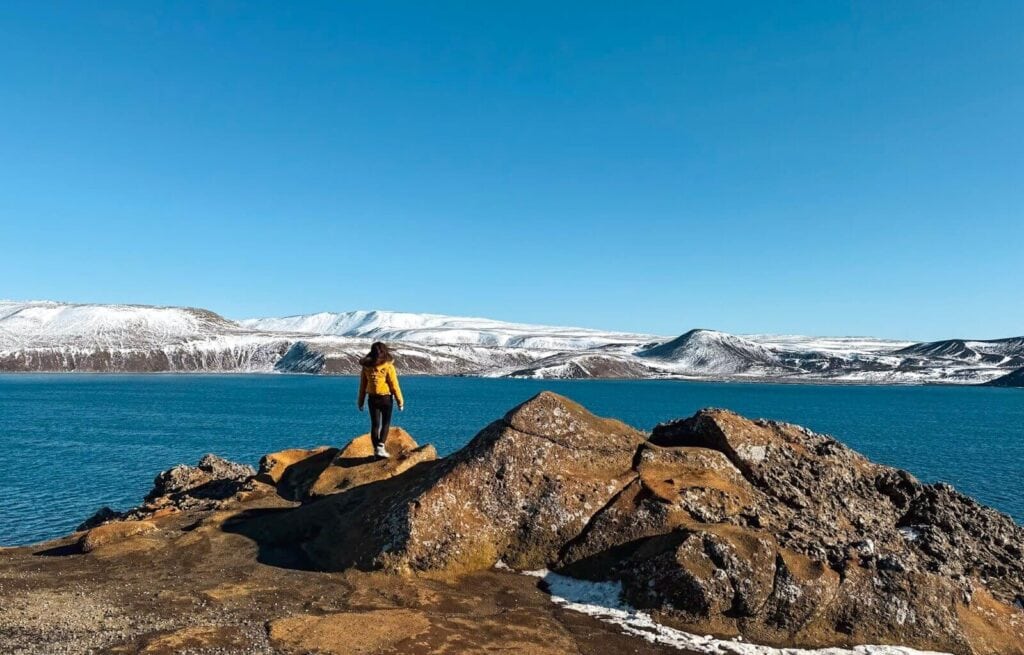
The weather is still unpredictable – this is Iceland, after all – but the milder temperatures make exploring much easier.
You won’t see the Northern Lights much after early April, but it’s quieter and cheaper than summer.
You also won’t be able to access the Highlands yet, but it’s still a great time for road trips around the south, as a lot of Route 1 is clear and snow-free.
👉 Check out our full guide to Iceland in April.
May
- 🌡️ Average temperature: 6°C (43°F)
- ☀️ Daylight: 16–20 hours
May is when Iceland really starts to wake up. This is the best month of spring in Iceland, in our opinion – April is still a transition and May is when spring truly begins.


The days are long, the weather is mild (for Icelandic standards), and the summer crowds haven’t fully arrived yet, so it’s an excellent time for sightseeing and photography. Plus, you can start to access some of the country’s hiking trails again.
Roads to some of the more remote areas start to open up, making it perfect for a Ring Road trip. You’ll also start to see puffins along the cliffs, wildflowers beginning to bloom, and the longer days allow you to pack more into your itinerary.
June
- 🌡️ Average temperature: 9°C (48°F
- ☀️ Daylight: 20+ hours (Midnight Sun!)
June is arguably one of the best times to visit Iceland. It marks the start of summer and peak season and the arrival of the Midnight Sun.
It’s also the month of the summer solstice, so you’ll experience the longest day of the whole year if you visit towards the end of the month.


The Midnight Sun means endless daylight, giving you so much time to explore. It’s ideal for road trips and camping.
The Highlands roads will open towards the start of the month, so you can begin exploring magical areas like Kerlingarfjoll and Landmannalaugar.
Plus, the flowers are in full bloom across the countryside, and there’s lots of wildlife, so if your goal is to see lupines and puffins, June is perfect!

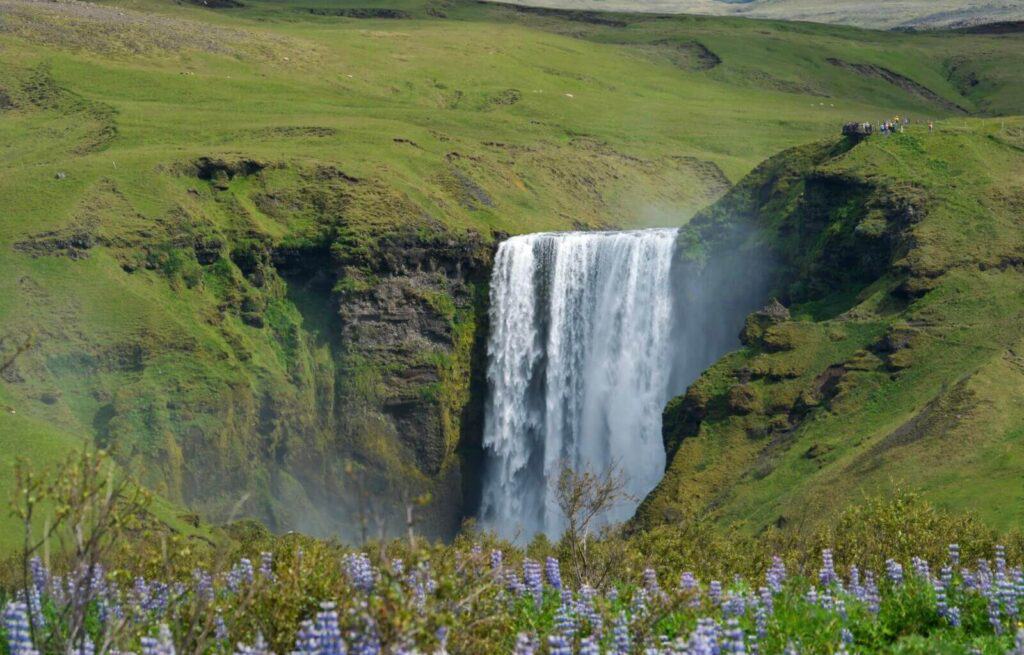
Just keep in mind that accommodation and car rentals book up early and are also much more expensive during this time. Be sure to book well in advance if you want to secure the best prices and choice.
July
- 🌡️ Average temperature: 11°C (52°F)
- ☀️ Daylight: 18–20 hours
July is the warmest and busiest month in Iceland. The school holidays begin across Europe and the US, so many people will be going on their family holidays. This often means it’s the priciest and most crowded month.


All areas are accessible, festivals are in full swing, and the scenery is lush and green. It’s the perfect time for hiking and exploring the country’s farthest reaches.
The hiking trails are fully open, the Highlands are accessible, and you can pack a lot into each day. If you don’t mind a little more hustle and bustle, July offers some of the best travel conditions of the year.
However, as with June, be sure to book everything well in advance if you’re visiting in July.
August
- 🌡️ Average temperature: 10°C (50°F)
☀️ Daylight: 16 hours
August still feels like summer, but with slightly fewer crowds than July. It’s a brilliant time to visit if you want decent weather without the peak season rush.

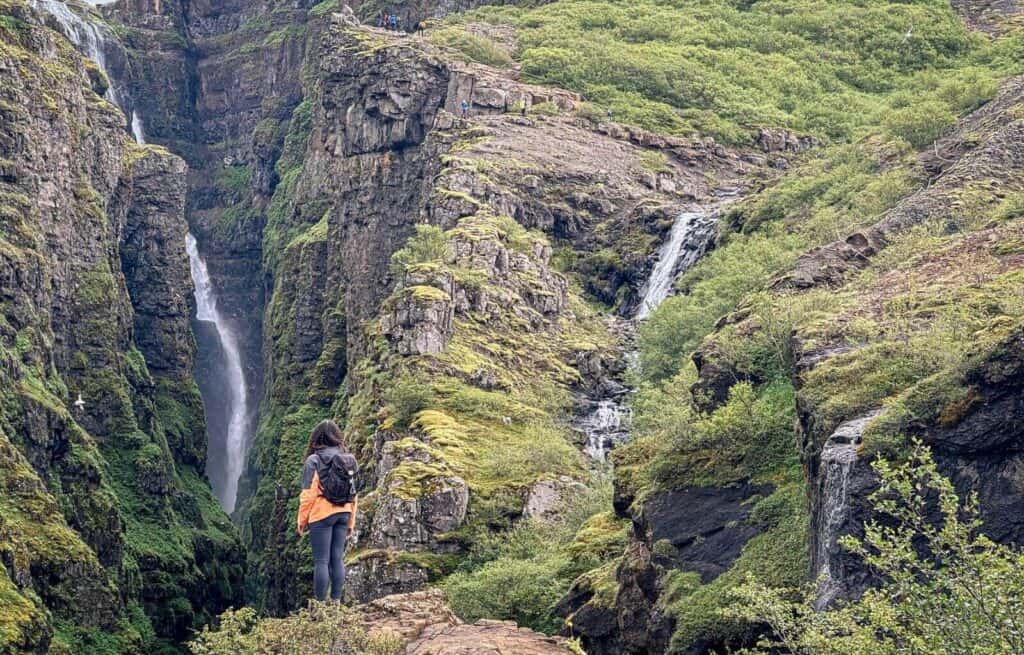
The weather remains mild, although it becomes more unpredictable towards the end of the month, and most tourist attractions and roads are still open, making it a great month for exploring the entire country.
Plus, towards the end of the month, it’s dark enough that there’s even a chance of spotting the first Northern Lights of the season.
It’s a great time to visit if you want warm weather but slightly fewer crowds.
September
- 🌡️ Average temperature: 7°C (45°F)
- ☀️ Daylight: 13 hours
September is one of the best times to visit Iceland.
The weather is still mild, but autumn colours begin to appear in the landscapes. The crowds thin out after summer, accommodation prices drop slightly, and the Northern Lights season begins again.

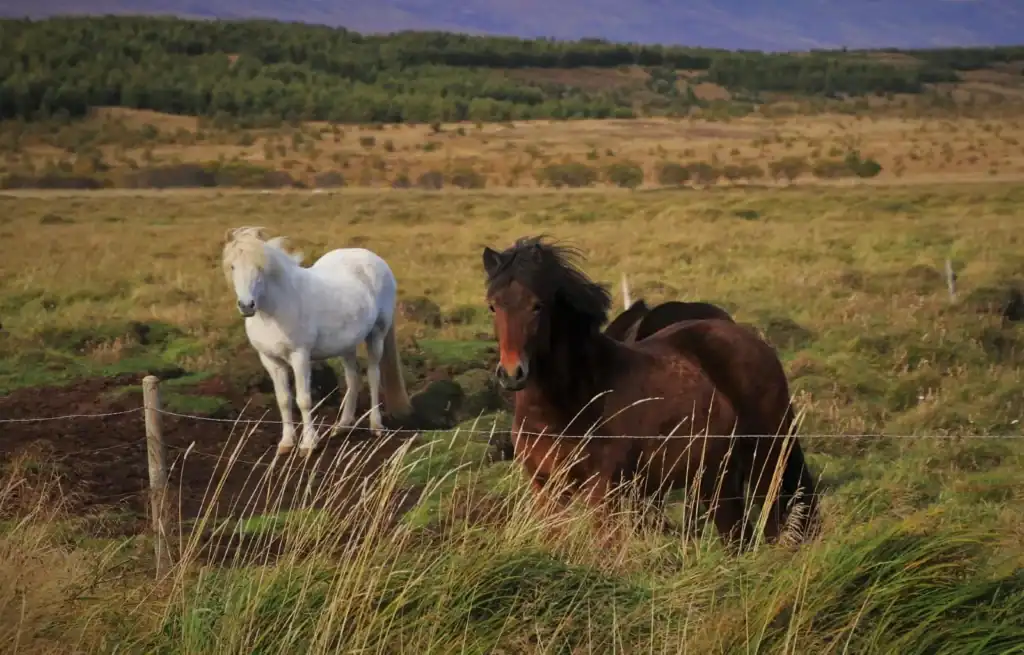
In our opinion, it’s a great balance. Roads are still open, daylight hours are still generous, and you can experience that magical shoulder-season feeling – fewer people but still fantastic conditions for exploring.
It’s the perfect shoulder season month for a road trip.
October
- 🌡️ Average temperature: 4°C (39°F)
- ☀️ Daylight: ~10 hours
October brings cooler temperatures, moodier skies, and the return of winter vibes. It’s a significant shift in seasons compared to September.
The air turns crisp, and the first snowfalls often arrive. It also tends to be the rainiest month in Iceland, and is a quieter, more atmospheric time to visit.

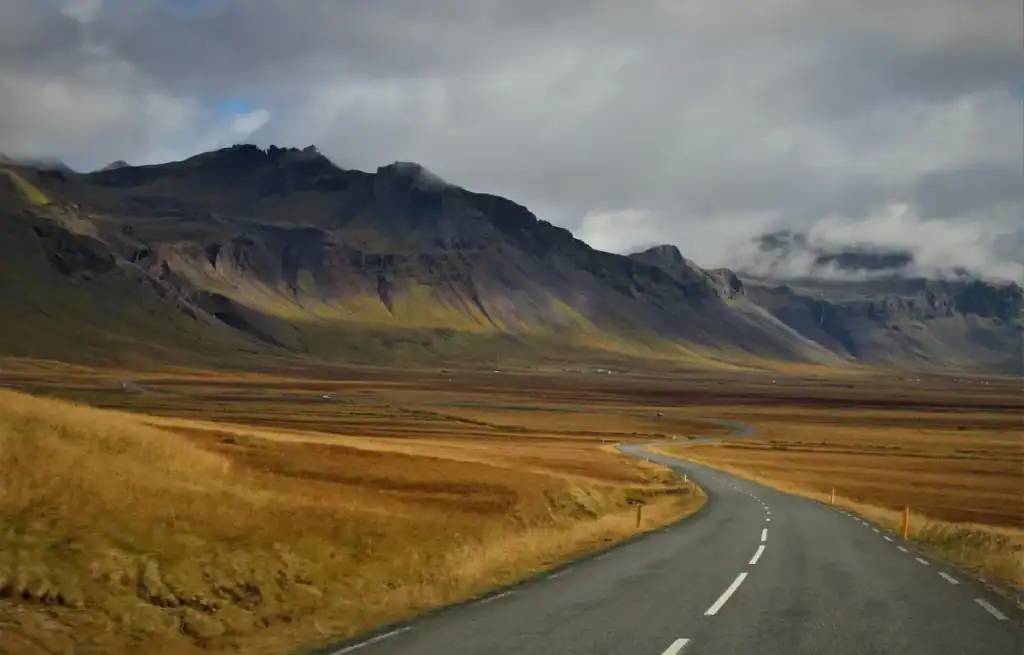
This is also when the Northern Lights start to return in full force, and you can experience the beauty of Iceland without summer crowds.
The weather does become much more unpredictable, though, so it’s important to stay flexible, but October has a special charm.
With the right clothing and mindset and waterproof gear, this can be a brilliant and more affordable month to visit.
November
- 🌡️ Average temperature: 1°C (34°F)
- ☀️ Daylight: 5–7 hours
November marks the beginning of the true winter season. Snowfall becomes more regular, daylight hours shrink significantly, and the landscapes start transforming into a winter wonderland.
This is a fantastic time to soak in geothermal pools, chase the aurora, and experience Iceland without the summer crowds.

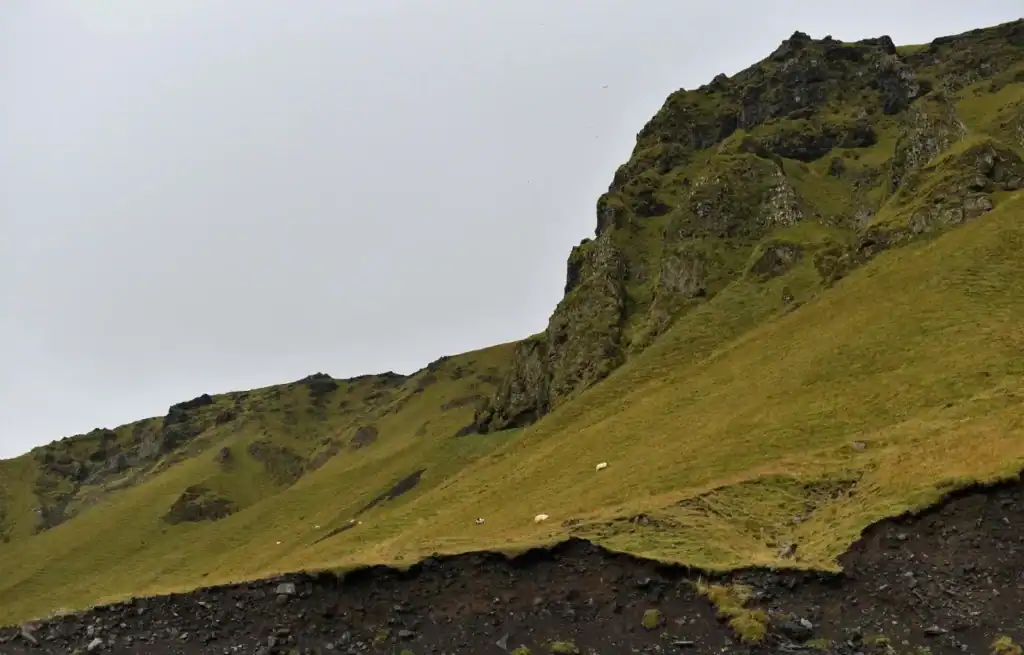
It’s also a more budget-friendly time to visit. It’s not quite as snowy as January or February, and it is definitely an off-season in Iceland.
Certain areas, like the Westfjords and Eastfjords, become much more difficult to visit during November due to the unpredictability of the weather and harsh conditions. This means road trips become a little trickier.
However, it’s still a great month to explore the south coast of Iceland. Just remember to plan activities carefully to make the most of the limited daylight.
December
- 🌡️ Average temperature: 0°C (32°F)
- ☀️ Daylight: ~4–5 hours
December in Iceland is pure winter magic. With festive lights, snowy landscapes, and a strong chance of Northern Lights, it’s a wonderful time to visit – especially if you don’t mind short daylight hours.

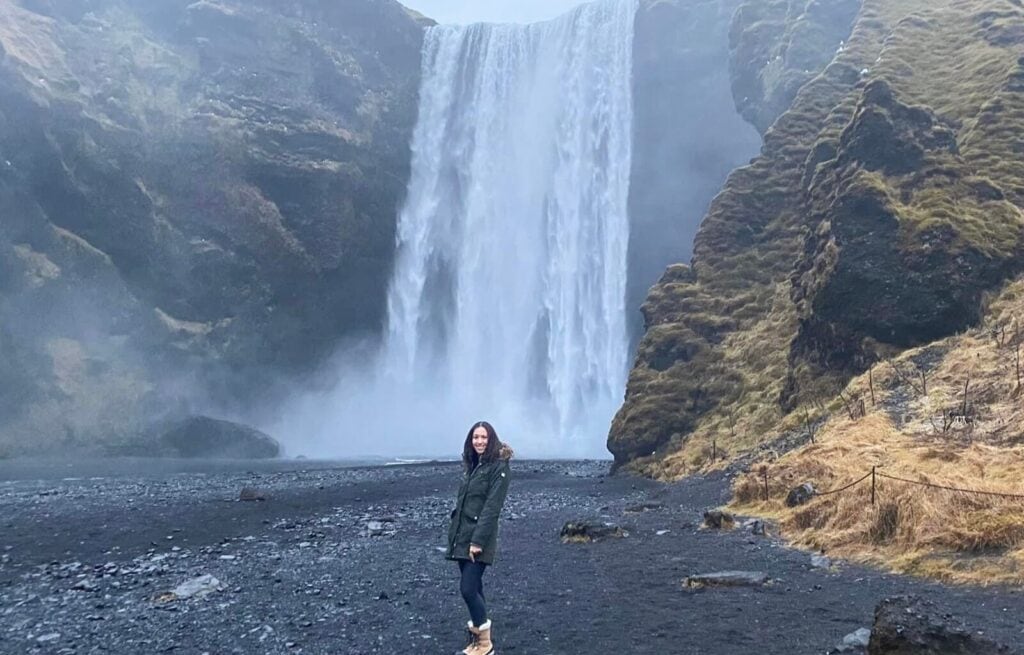
Our first ever trip to Iceland was in December, and it was because of this trip that we fell in love with the country. Reykjavik in winter is very festive with ice rinks and Christmas lights, and the scenery in the south is super dramatic.
We actually found January and March to have more icy and snowy scenery than December. December for us was more rainy in the south, and we arrived towards the end of the month on the 20th. We honestly expected more snow.
However, that’s not to say it doesn’t snow in December. It does, particularly if you visit the north and Akureyri.


December in Iceland is cold and dark. Visiting at this time of year means shorter sightseeing days, but if you plan carefully, you can experience some of the most enchanting landscapes Iceland has to offer.
Whether you’re soaking in a hot spring under the stars or visiting a Christmas market in Reykjavik, December is simply unforgettable. Plus, the NYE fireworks are incredible.
👉 Check out our full guide to December in Iceland.
Things to Consider
When deciding the best time to visit Iceland, there are a few practical things to keep in mind that can make a big difference to your trip.
Accommodation
First up: accommodation. These can vary massively depending on the season.
Summer is peak tourist time, so hotels, guesthouses, and even campsites tend to book out months in advance, and prices are at their highest.

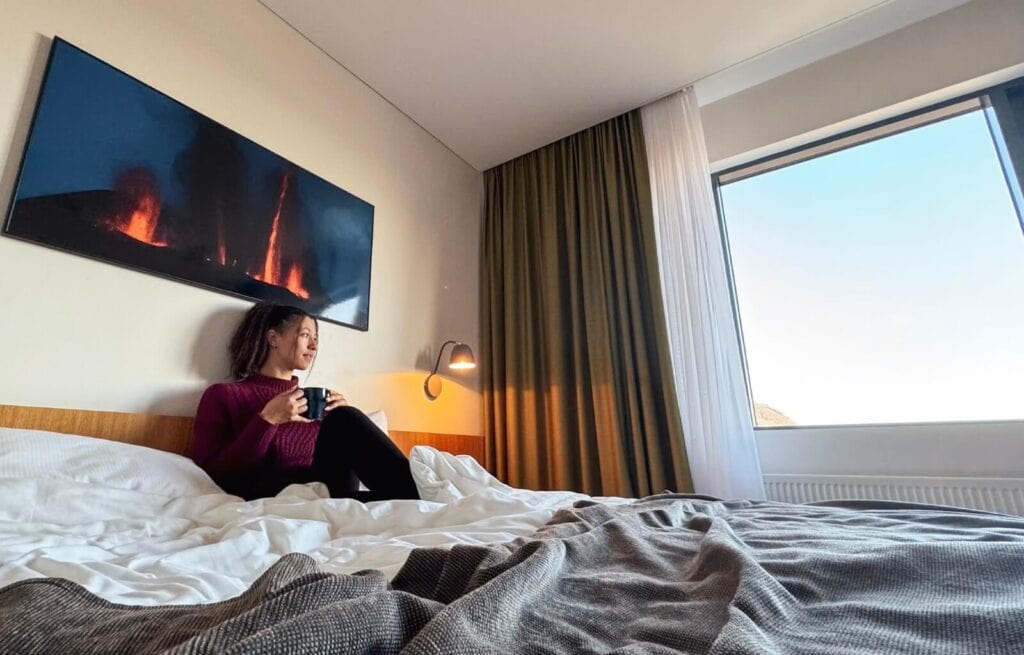
In contrast, winter – especially outside of the holidays – is usually more affordable, and you’ll often find great deals if you book early.
We’ve found the cheapest months to be March, April, and October and November, but these months, autumn in particular, tend to be the rainiest and unpredictable weather-wise.
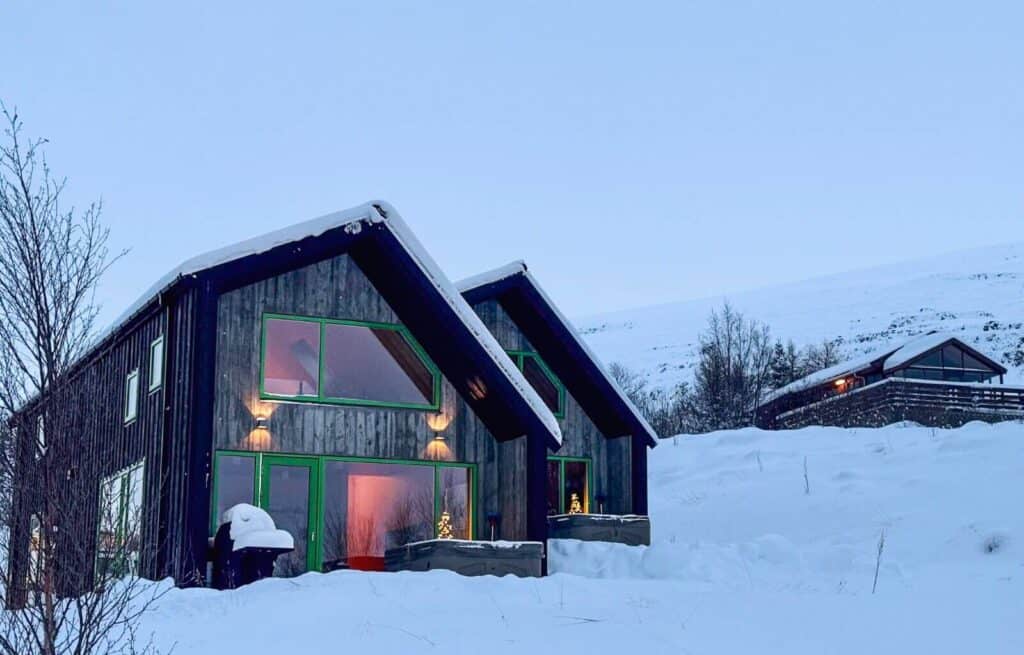
👉 This is our room at Hotel Selfoss – check out our full review here!
Road Access
Transport and road access are another key factor. During summer, almost every part of the country is accessible, including the Highlands, which are closed during the winter months.
Of course, if your priority is hiking and exploring the Highlands, you’ll need to visit in summer. This is also the best time for a road trip.


In winter, many of the remote routes can close due to snow or storms, and driving in winter requires a lot more caution. Always check road conditions before setting out, and if you’re not confident on icy roads, consider joining a guided tour.
Weather
This is another huge factor to think about when deciding on the best time to visit Iceland.


The country looks fab in the summer but is equally enchanting when it’s all covered in snow – it’s really down to your own preference when you want.
If you’re after hiking and road trips, choose summer. For winter scenery and snow, choose winter.
Daylight
Another very important factor to consider is daylight.
During the winter, the sun only rises at around 11 am and sets again at roughly 3 pm – at least, that was our experience when we visited Akureyri in January.
In the south, you get a little more daylight, but it’s still very short during the darkest months of December and January. This limited daylight means you need to plan your activities carefully and make the most of the few bright hours each day.
On the flip side, those long, dark winter nights are exactly what make the season ideal for seeing the Northern Lights.

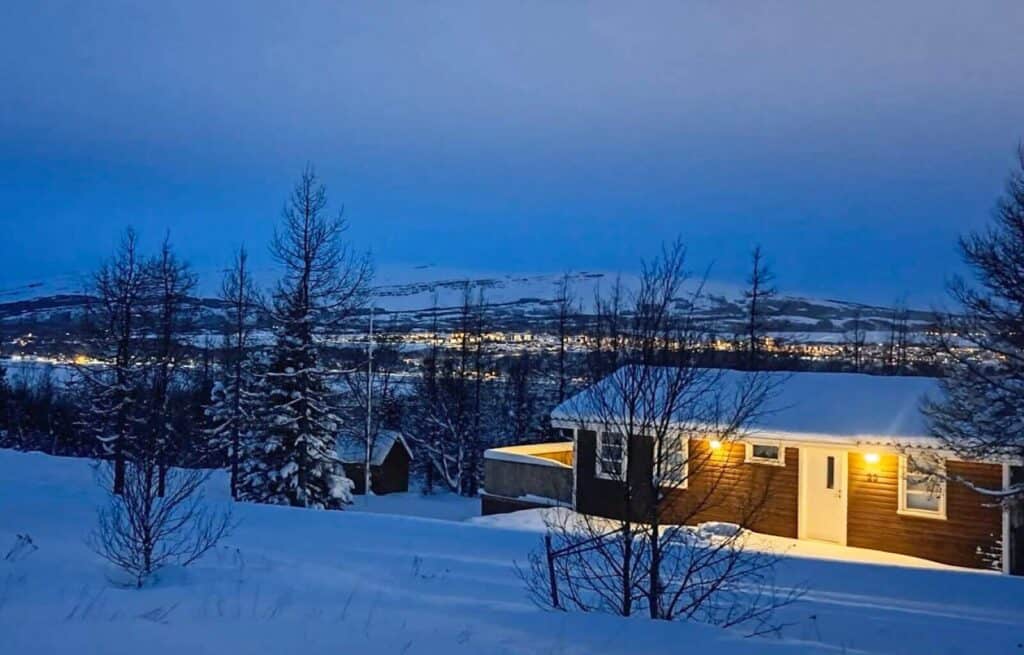
With extended darkness, your chances of witnessing a spectacular display are much higher, especially if you head away from city lights.
In contrast, during the summer months, Iceland experiences the midnight sun, where the sun barely sets at all for several weeks.
During this time, you can’t see the Northern Lights at all, even if the activity is there, but you’ll have endless daylight for exploring.
This will give you plenty of time to explore and experience the stunning landscapes without rushing. It’s ideal for road trips and driving the Ring Road, where you might have long driving days.
Cost and Availability
Finally, prices can vary so much depending on when you visit Iceland. Summer can be incredibly expensive, with hotels coming in well over £300 per night.
We’ve seen the same hotels for literally half the price during the winter months, so the time of year you visit will make a significant difference to your budget.
Secondly, the availability of tours will change dramatically depending on the season. During winter and the shoulder seasons, there is usually a lot more availability, and things also tend to be cheaper.

Tour companies up their prices during the busiest season and also sell out quickly, so it’s worth securing your plans well in advance.
From our experience, the off-season gives you more flexibility. However, some tours (especially Highland tours) only operate during the summer months, and some tours (like ice caves) only operate in winter.
So, make sure to check which tours you want to do before you book your trip.
FAQs
What is the best month to visit Iceland?
Honestly, there isn’t a single “best” month – it really depends on what you want to do.
If you’re chasing the Northern Lights, winter months from October to March are your best bet. And honestly, we think October and March themselves are the optimum months as the weather is much less unpredictable than peak winter.


We visited for 3 nights in January, and it was too cloudy for the Northern Lights during our entire trip.
If you want long days, green landscapes, and easier access to all roads, summer (June to August) is perfect.
Shoulder seasons like April, May, September, and October are quieter, cheaper, and still beautiful, so they’re a great balance of weather, daylight, and fewer crowds.
When is the best time to see the Northern Lights?
The Northern Lights are visible from late September through early April. The best conditions are clear, dark skies away from city lights.
Winter is ideal because the nights are long, giving you more opportunities to spot the aurora.


Keep in mind, it’s unpredictable.
You’ll need a little luck with cloud cover, which is why we love September, October, and March for Northern Lights spotting, as the weather tends to be better.
When is the midnight sun in Iceland?
If you visit between late May and mid-July, you can experience the midnight sun, especially in the north of the country.
During this time, the sun barely sets, giving you nearly 24 hours of daylight.

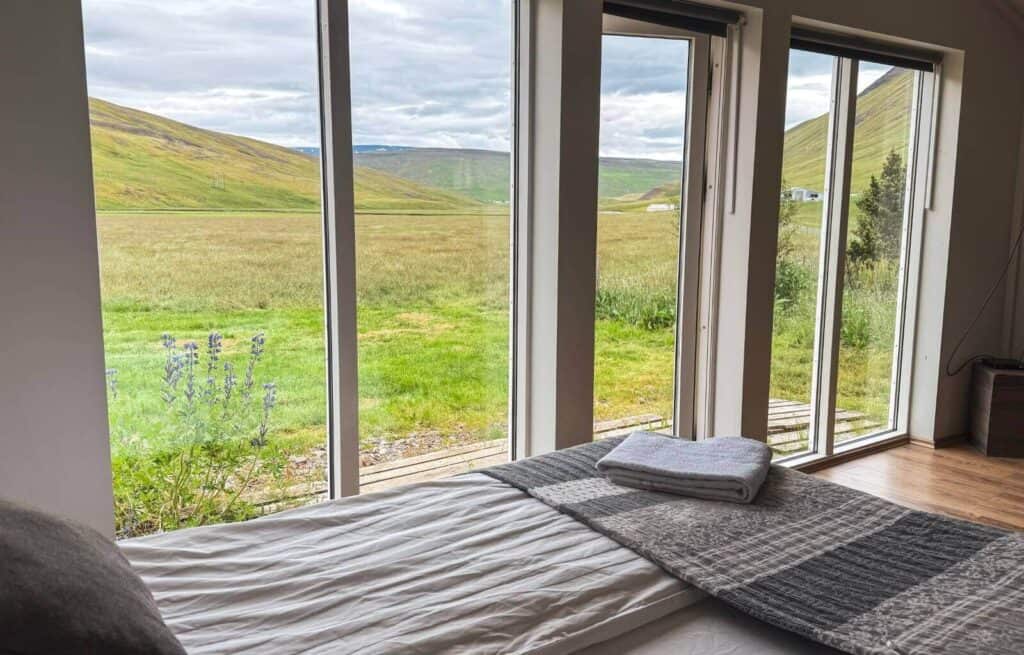
It’s honestly very confusing on your body clock to experience, but perfect for photography, sightseeing, or late-night adventures.
How cold is Iceland in winter?
Winter temperatures usually range from -1°C to 4°C (30–39°F) in Reykjavik and can be slightly colder inland and in the north.

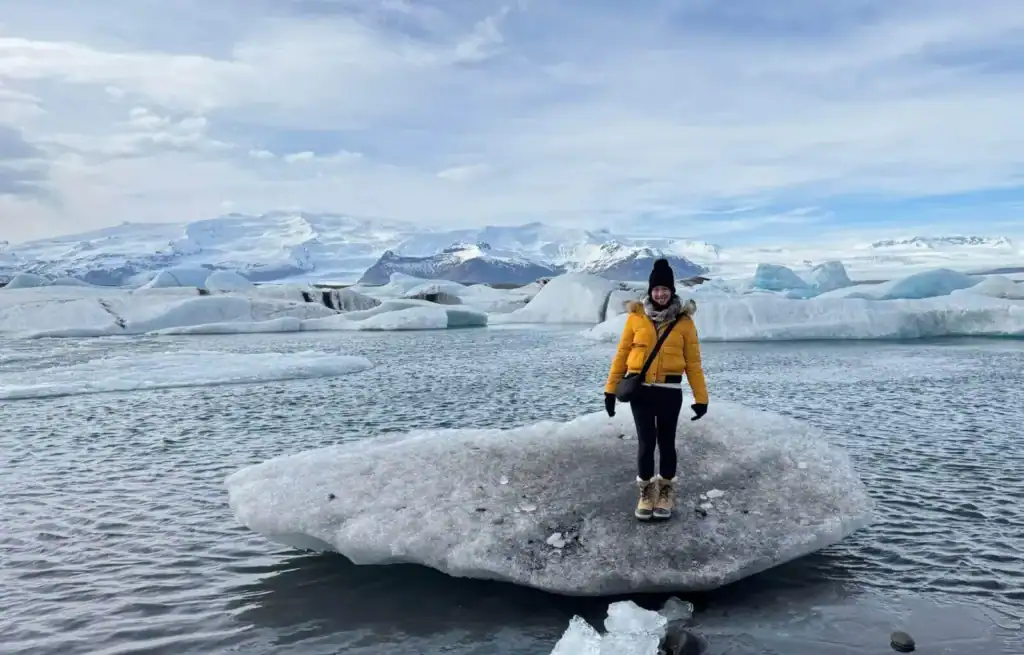
The coastal areas are milder thanks to the Gulf Stream, but snow and icy conditions are common. However, it’s usually nothing extreme if you dress appropriately with layers, waterproofs, and sturdy footwear.
👉 Grab our full packing list for all of our winter packing recommendations!
How busy is Iceland in summer?
Summer is the peak tourist season, especially from June to August.
Popular spots like the Golden Circle, the South Coast, and Reykjavik can feel crowded, and things sell out way in advance, so booking accommodation and tours well in advance is crucial if you want to avoid disappointment.
Shoulder seasons like May or September are great alternatives if you want fewer crowds.
How many days do You need in Iceland?
This depends on what time of year you’re visiting and what you plan on doing. If you’re visiting Iceland in summer and plan to drive the Ring Road, you’ll need at least 7-10 days.


If you’re going for a city break in Reykjavik, you could visit for as little as 3 days with day trips from the capital.
It’s really very dependent on how much time you can afford to spend and how much driving you plan on doing.
Final Thoughts: What’s the Best Time for You
At the end of the day, the best time to visit Iceland really depends on what you want to experience.
If you want magical snowy landscapes, icy waterfalls, and of course, the Northern Lights, visit in winter. In contrast, summer brings endless daylight, blooming scenery, and easier road access for exploring the whole country.
Shoulder seasons like April, May, September, and October strike a balance between mild weather, fewer crowds, and more affordable prices.
We’ve visited both in winter and summer and have loved it every time, but it’s definitely a completely different vibe depending on what time you go.
No matter when you visit, Iceland is stunning year-round – it just comes down to whether you’re chasing adventure, the aurora, snow, or the midnight sun.
We hope this guide has helped you pick the best time to visit Iceland, but if you have any questions, check out our Facebook Group.
👉 Need more Iceland inspiration? Check out our ultimate Iceland Bucket List!
Pin for Later!